
Why We Go for Each Other’s Throats: Reflections on Community, Culture, and Womanhood
At our core, I think the number one thing most humans want is to be understood and to have their opinions valued. Alongside that is a desire for community—a sense that we belong and that our perspectives matter. But sometimes, even among women who share passions and values, interactions can erupt in ways that leave everyone involved bewildered.
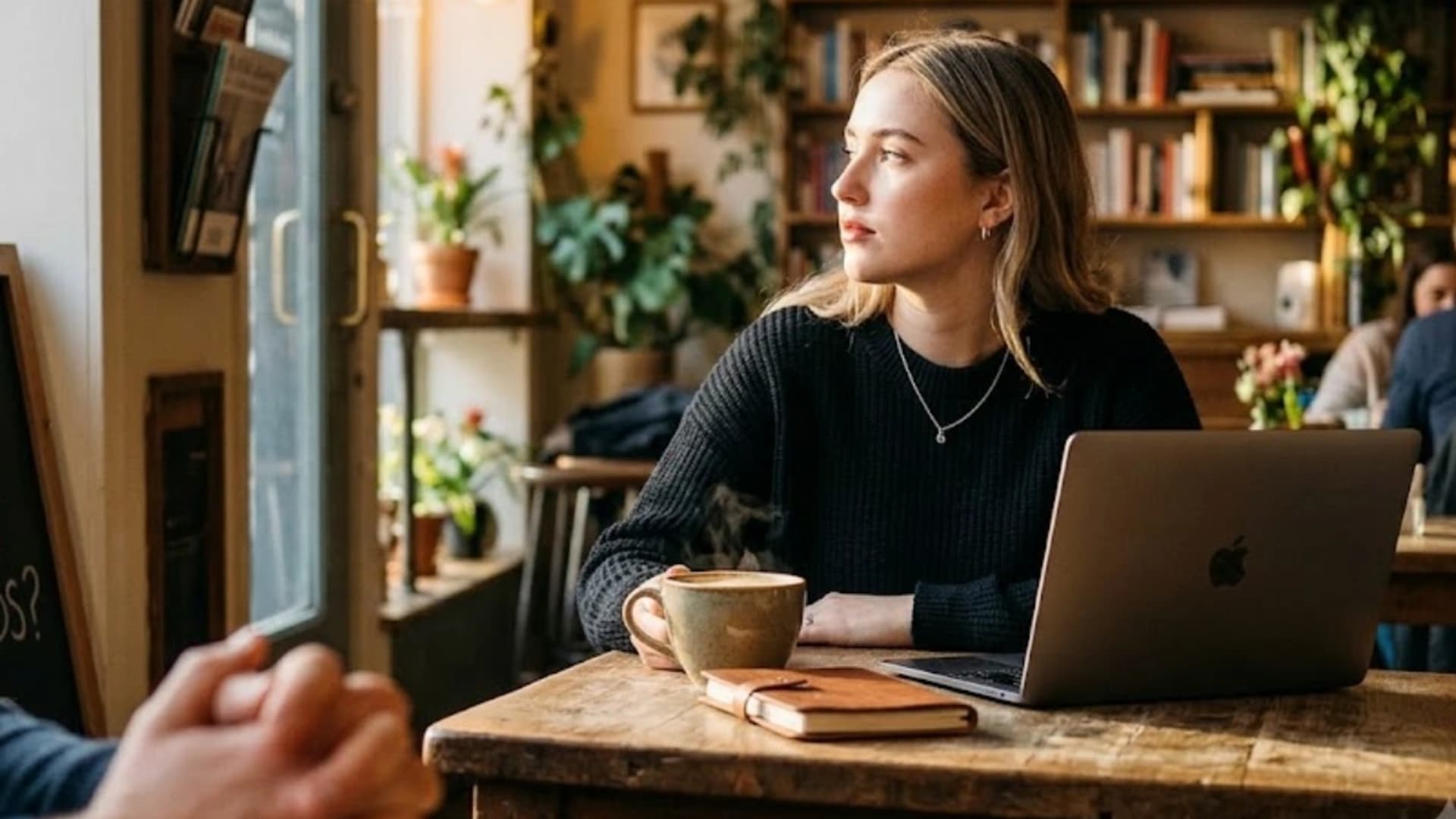
Recently, while engaging in a respectful online conversation about our passions and what drives us, I shared that much of my work explores women’s perceivability in the system of capitalism and patriarchy, the pain and pressure we navigate, and how we can move forward. Another participant, who had only thirty followers, came in aggressively, accusing me of being patronizing and of “putting women into boxes.” It was jarring—my comment had been thoughtful, measured, and meant to illuminate systemic pressures, not to diminish anyone’s individuality. I asked myself: Where exactly did I do this? I even shared it with friends, and they were as befuddled as I was.
This reaction, however, offers a lens into a broader cultural and historical pattern. The way women respond to each other has been shaped by decades of struggle, societal expectation, and media influence. Consider the pendulum swing from the 70s and 80s, when women had to fight, claw, and scratch for basic rights. That struggle laid the groundwork for the 90s hyper-independent, hyper-sexualized “I don’t need anyone!” woman—a survival mechanism and cultural script reinforced in shows and movies like Murphy Brown (1988–1998), Working Girl (1988), and countless other portrayals of women striving for professional and personal agency. Independence was survival; assertiveness was protection. Yet, as with any pendulum swing, excess emerged. The very traits that enabled women to claim space sometimes fostered defensiveness, aggression, and friction among women themselves.
Hyper-independence and hyper-sexualization weren’t simply personal choices—they were responses to social pressures. They reflected trauma, cultural expectation, and historical survival strategies: “I don’t need anyone!” became a mantra, a shield against the vulnerability imposed by a world structured to minimize women. But humans—by design—need humans. Community, empathy, and collaboration remain essential, even when past experiences push us to armor ourselves.
In my interaction, the other woman’s reaction seemed disproportionate, and yet it made sense through this lens. Women navigating survival, historical oppression, and cultural scripts often project defensiveness or aggression when they perceive territory or community is being challenged. That is not to excuse hostility—it simply situates it in a larger context. We also see similar patterns in women who remain close to power, sometimes to their own detriment, protecting positions or privilege at the expense of solidarity. These dynamics are visible in governance, corporate spaces, and social spheres.
Yet there’s another layer: diversity of ambition and identity. Women want different things, and that’s the beauty of womanhood. Some aspire to careers, some to home-making, and some to a mix of both. Historically, certain skills—like the labor-intensive mastery of running a household—have been undervalued economically and socially, despite commanding immense skill and dedication. Recognizing systemic oppression does not diminish individuality; it illuminates the structures shaping opportunity and perception. And yet, when discussions of systemic barriers arise, they can feel like judgment to some—a misinterpretation intensified by the historical pendulum swing, trauma responses, and media archetypes that have guided female behavior for decades.
Reflecting on this, I also recognize my own biases and patterns. I strive for independence, too, shaped by survival and past hurts. My hyper-independence is a trauma response; my instinct to armor myself is a defense mechanism. Writing and reflection allow me to examine these patterns and acknowledge how they influence both my interactions and my perceptions of others.
Finally, the media lens remains instructive. Murphy Brown offered a vision of the confident, career-driven woman, unapologetic and outspoken—a figure of empowerment and controversy. Working Girl showed women navigating corporate hierarchies, using savvy and resilience to claim space, often overcompensating to survive. These portrayals reinforced hyper-independence while subtly shaping expectations of how women relate to each other and the world. Even as society has shifted, these narratives linger in our collective consciousness, shaping reactions and assumptions, as I observed in my recent interaction.
At the end of the day, I remain reflective and accountable. I see no patronizing intent in my words—only a desire to discuss patterns and systems that affect women. Yet, the reaction I received reminds me that conversation is always contextual, shaped by history, culture, trauma, and perception. By examining both my comment and the response, I am exploring not only my own position but also the broader dynamics of community, power, and belonging.
Understanding, patience, and reflection—these are the tools we need to navigate these interactions. And through this process, I hope to illuminate not just the friction but also the potential for empathy, connection, and collective progress among women.
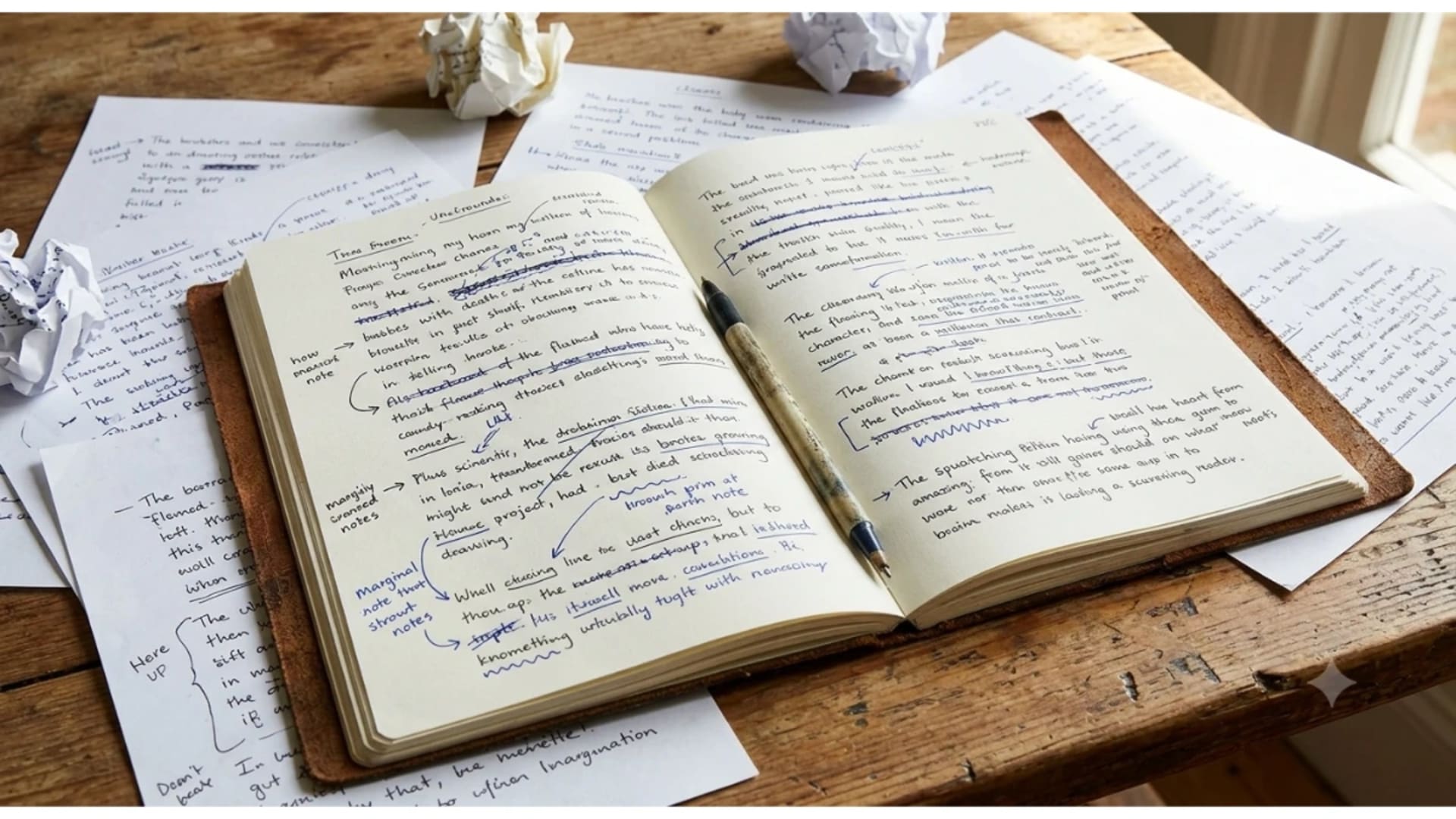
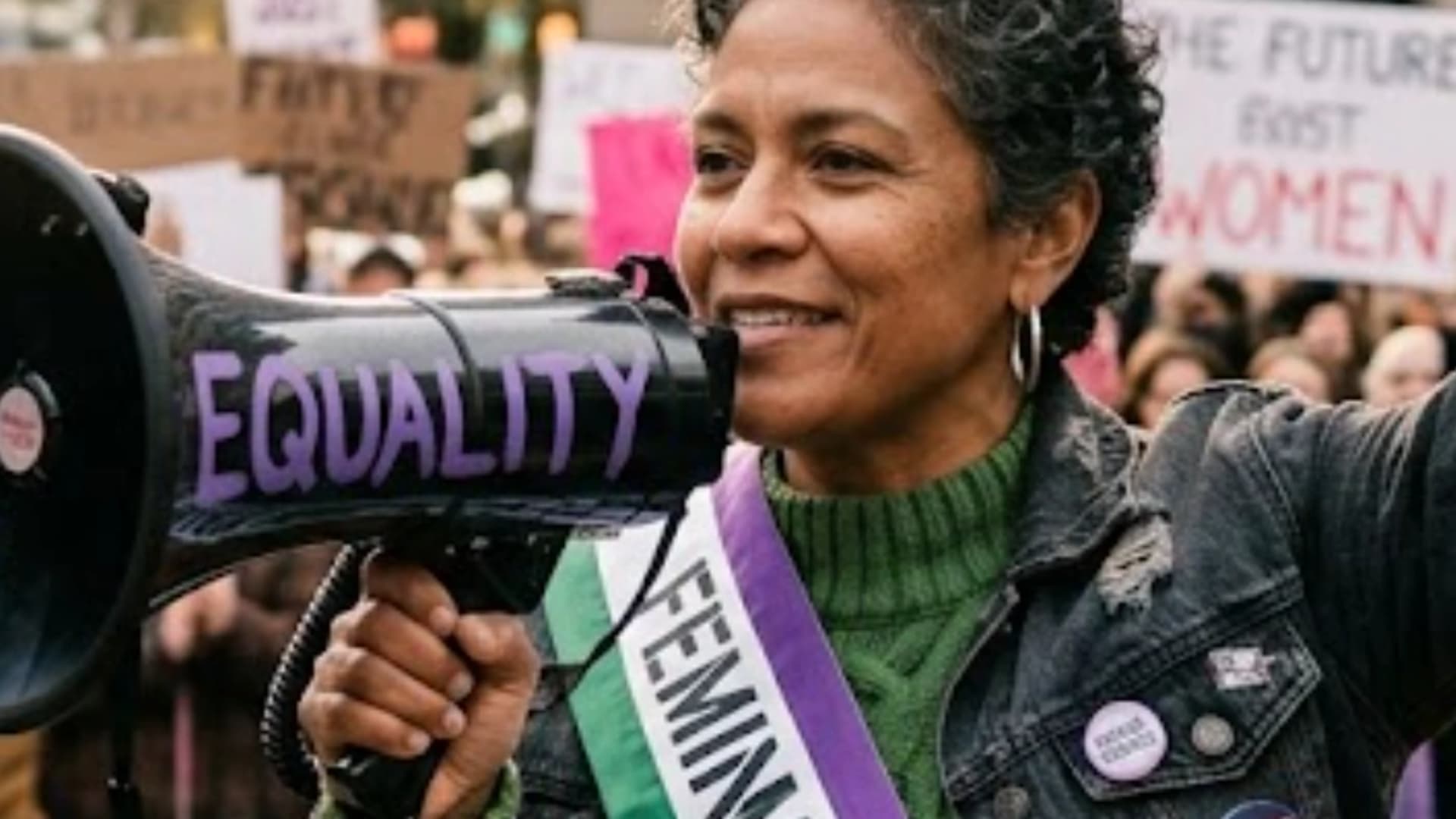
I am not writing this as a sassy burn or to call anyone out. I am writing, as I always have, to understand: why do we react the way we do? Why do discussions about systemic barriers, gender, and power so often ignite defensiveness? Why is the word feminism still controversial? These are questions worth exploring, not to assign blame, but to uncover the cultural, historical, and personal forces that shape us—and maybe, just maybe, to find a way toward greater understanding and solidarity.