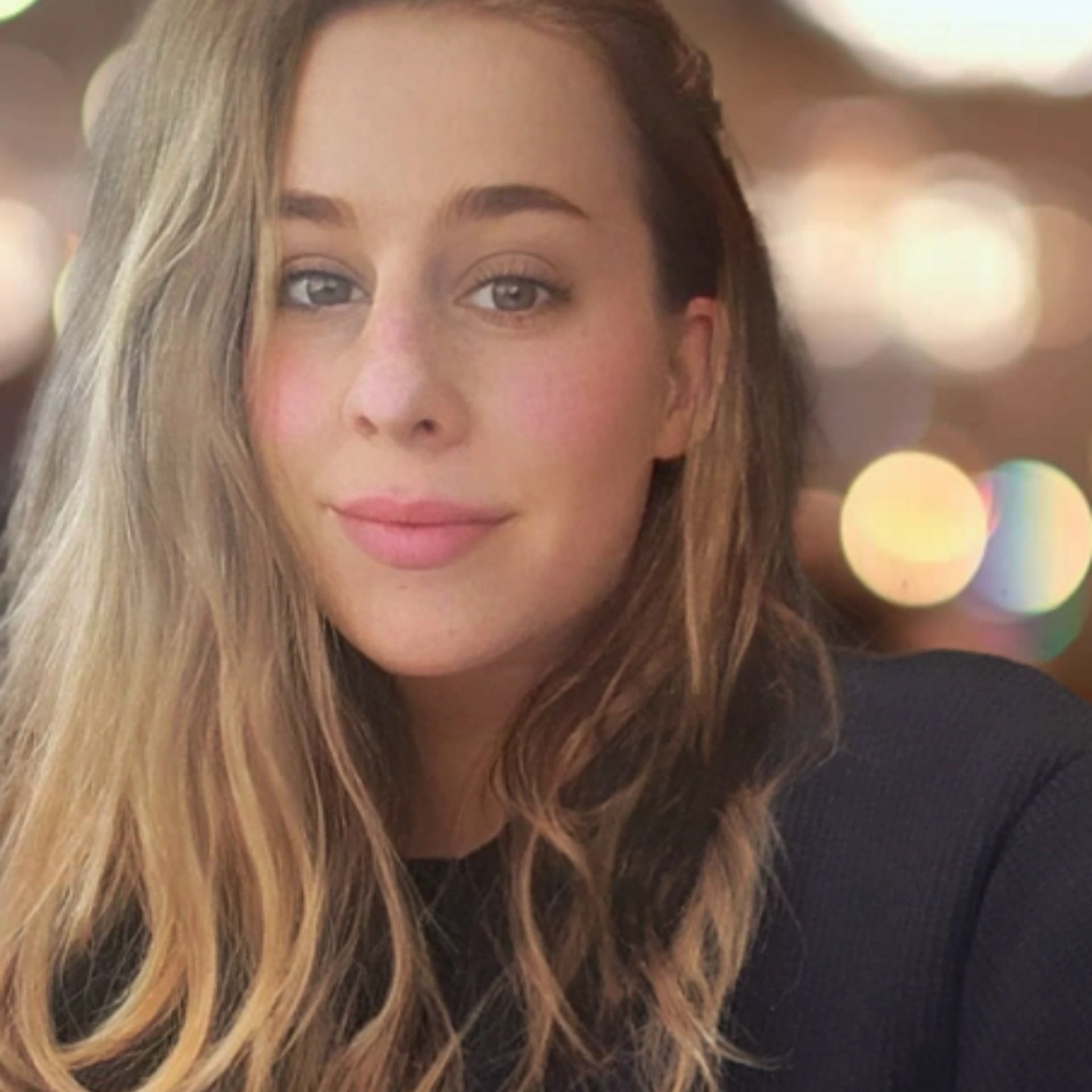
I have noticed recently that I am dressing better in a fuller body than I was when I was more slender. Part of that is an attempt to be kinder to myself during a turbulent time—there are health issues I am still learning to live with, which I may share more about later. Part of it is necessity; old pieces no longer fit the life I am living. But part of it is something else: I wanted to see who I could become if I chose to show up fully, instead of hiding.
I have been thinking a lot about bodies—the bodies we have, and the bodies we are told to have. From the very beginning, there has been pressure.
For most of history, the idea of a “good” body has never been fixed. It has shifted alongside culture, economics, and media—quietly redefining what we believe about health, beauty, and value.
Today, we often treat these ideas as if they are objective. But they are not.
They are constructed.
And I have been thinking a lot about how those constructions show up—not just in theory, but in how we live inside our bodies every day.
Most people think the pressure began in the Victorian era or a little earlier, but in fact, we can trace it back to some of the oldest cities.
In earlier periods, particularly in agrarian societies, a fuller body could signal stability and access to resources. A plump figure could suggest that someone had enough to eat, enough support, and enough security to maintain that body.
In that context, body size wasn’t just aesthetic—it was symbolic.
It represented abundance, care, and status.
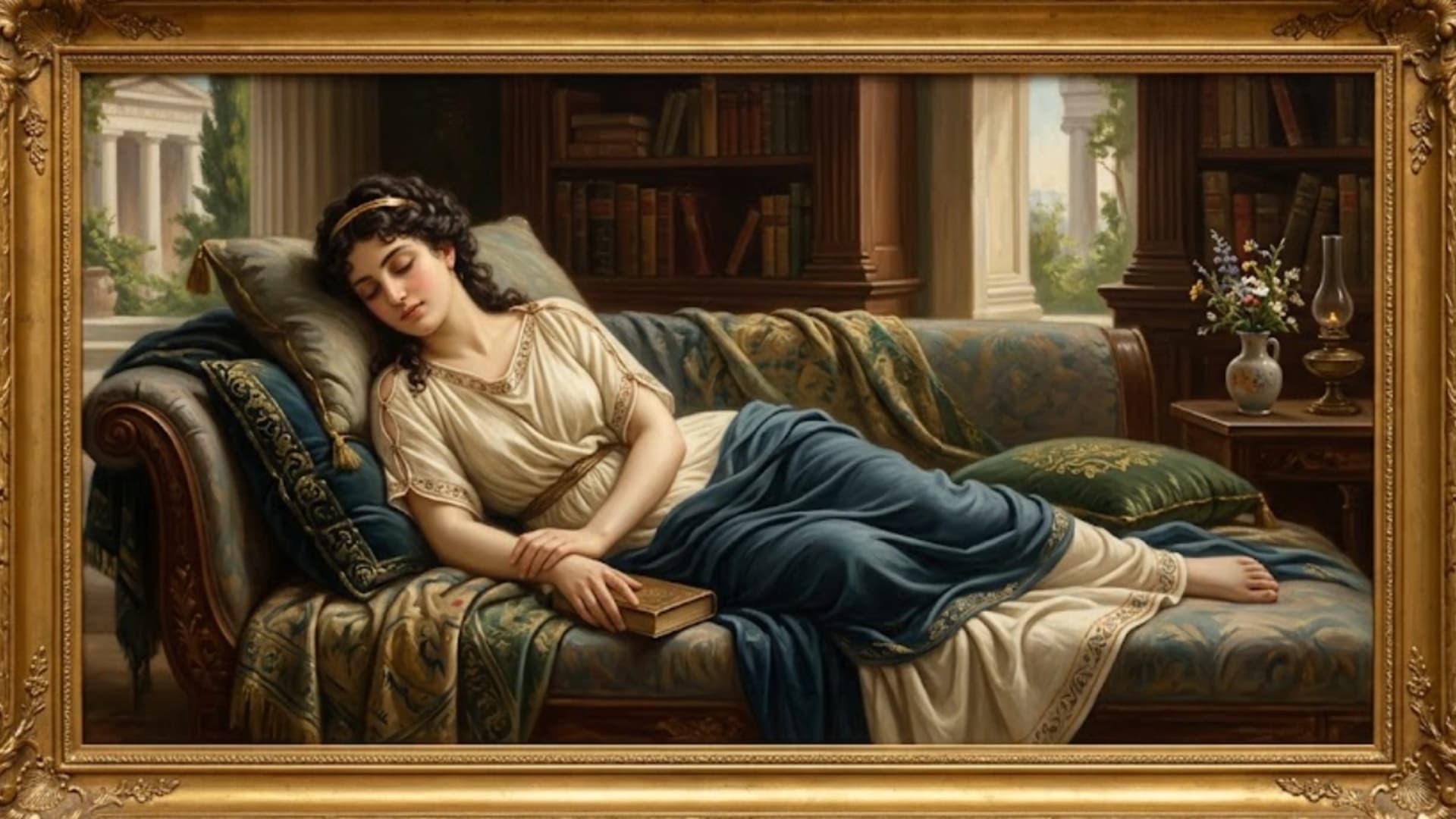
Imagine you are standing in a Greek market for a moment. The women back then would have looked very different from our modern beauty standard. They were beautiful, yes, but they carried bodies that signaled fertility—hips, thighs, movement, fullness.
The smell of the market surrounds you. Perhaps someone is selling bolts of cloth, fresh dates, hay for the donkeys.
You catch the eye of an ancient woman—we shall call her Calliope. Her husband holds an important position in the city. He is a baker. People come to him for bread and for news.
She adjusts a deep purple dress, lined with gold and delicate beadwork. Her dark curls are swept up, and a golden hairpiece gleams in the light. She is powerful. She does not shrink herself to become anything anyone might require.
Artists like Peter Paul Rubens painted fuller bodies as ideals of beauty and vitality, reflecting the values of their time. I think about his paintings—the care and precision he took to make his muses reflect the world around him.
But as societies changed, so did the meaning attached to bodies.
With industrialization and modern consumer culture, body ideals began to shift toward thinness.
Thinness became associated with discipline, control, and desirability.
We see this today in online comments (I have often received them) that suggest a fuller body reflects a lack of control. And yet, brands like Nike have created plus-size athletic clothing—acknowledging that people of all sizes want to move, train, and participate. The backlash to that inclusion reveals how deeply ingrained these assumptions are.
These ideas were reinforced through media, advertising, and the rise of mass-produced imagery.
And over time, what was seen most often became what was seen as normal.
You would see a very different beauty in 1805 than you would in the time of the ancient Greeks.
You arrive quietly at Lucy’s manor, and a servant shows you in for tea.
She smiles sweetly at you—perhaps with soft, dreamy eyes and a gentle wave of auburn hair—but her frame would be significantly smaller than what we saw when we “traveled” to ancient Greece. Everything is tucked just so, as if carefully controlled.
She might offer you a biscuit, but she herself might not partake when you are looking.
I also think not only of the Industrial Revolution or the Victorian era, but of Hollywood.
Hollywood has long been one of the most powerful forces in shaping these ideals.
Think of Audrey Hepburn in films like Breakfast at Tiffany’s—a figure of elegance, restraint, and controlled silhouette. Her style became iconic not just because of her presence, but because of how carefully it was constructed.
Fashion, too, plays into this system.
In the famous scene from The Devil Wears Prada, Miranda Priestly explains that even something as seemingly simple as a sweater is the result of countless decisions.
What appears effortless is, in fact, highly intentional.
And I think about that in relation to how I dress now.
Today, I might wear blue trousers, a striped top, a necklace, and loose curls. Not because I am trying to perform a version of myself, but because I am beginning to understand that dressing is not about hiding—it is about participating.
There was a time when I used clothing as armor.
Now, I use it as expression.
I have noticed something that surprised me:
I dress with more intention now—more awareness, more curiosity—than I ever did when I was “straight size.”
Not because I didn’t care before, but because I didn’t yet understand that style isn’t about shrinking into what is acceptable.
It is about choosing what reflects you.
That shift didn’t happen all at once. It came slowly, alongside learning how to be kinder to myself.
Some days I choose the salad.
Some days I choose the donut.
And neither one defines me.
That same principle applies to how I dress, how I exist, and how I move through the world.
At some point, appearance and health became intertwined in public perception.
Tools like BMI were created as population-level measurements, not individual judgments. Yet they are often used to define whether a body is “healthy” based on appearance alone.
That creates a dangerous simplification:
that health can be determined visually
that certain body types are inherently better
that worth can be measured externally
But health is far more complex than that.
And more importantly, it is not something that can be fully seen from the outside.
I still struggle with this.
Even knowing what I know, there are days when old thoughts try to return—when I question myself, when I slip into patterns I thought I had moved beyond.
But something has changed.
I no longer believe I need to reach a certain body in order to deserve care.
Even if my body is soft, even if it rolls, even if it does not match the narrow standards we are taught to admire—I still deserve care.
Not as a reward.
But as a baseline.
If body standards have always shifted, then what exactly are we trying to achieve?
And who benefits from the idea that there is only one “right” way to have a body?
There is no neutral standard of beauty.
There is only what a culture chooses to elevate.
Perhaps the more meaningful question is not whether a body fits an ideal, but whether a person is living in alignment with themselves.
Style, like art, is not just about appearance.
It is about intention.
And intention cannot be reduced to a number, a size, or a single image.