

Among the most infamous religious cults in U.S. history, Peoples Temple is best known today for the very reason they became so infamous for - the mass suicide its 918 members committed (or were forced to commit) on November 18, 1978, in Jonestown, an isolated settlement in Guyana founded by the cult leader, Jim Jones. For anyone interested in a comprehensive history of Jim Jones and the cult’s timeline, I cannot recommend enough Jeff Guinn’s 2017 book titled The Road to Jonestown: Jim Jones and Peoples Temple. For anyone interested in a more general overview of a cult whose end gave birth to the phrase “drinking the Kool-Aid”, this article will do.

Born in Indiana in May of 1931, Jones was quickly forced to become self-reliant. Surrounded by a mother who, according to Jones himself, “lacked maternal instincts,” and a father who spent more time in hospitals than at home due to his injuries obtained in World War I, Jones turned to religion and became a member of the Nazarene Church before turning 12 (Guinn 14). His religious interests begun mixing with his fascination with socialism and marxism, a defining quality his own cult would develop with time. As a socially awkward teenager with no friends and a strange obsession with works of Marx, Stalin and Hitler, Jones was described as a crass and rude boy who often yelled profanities at his neighbours. Having been interviewed in his later years, Jones admitted that as a teenager he “was so aggressive, hostile and ready to kill” (Reiterman and Jacobs 16-17).
It is rather unsurprising that a chronically neglected child turned into a power-hungry man, desperate to control every aspect of his family and congregation’s life. Peoples Temple - not “People’s”, since that signified personal possession, which members had to renounce upon entering - came to exist in 1954 with the goal of “putting real socialism into practice” (Guinn 56). Peoples Temple differed from other religious groups of the 1950s for their interest in creating a congregation where people of colour were just as welcome as the whites. Among the few good things Jim Jones actually did in his life is his fight to racially integrate churches, restaurants, theatres and amusement parks in the 1960s. In fact, Jones even adopted 4 children of colour by the late 1950s.
A master manipulator, with a high enough level of delusion to convince himself to be the reborn Christ with a capability to miraculously “heal,” Jones had a whole apparatus of loyal followers - the, so called, Planning Commission - that enabled his “healing” performances, 8-hour sermons and abuse of Temple members. Undeniably, Jones also possessed enough charisma to lure new members into his carefully cultivated community, and an abundance of sex appeal to keep a harem of young and impressionable women by his side. As early as 1961, Jones started having visions of an imminent nuclear attack on the U.S. According to Jones’ divine visions, nuclear warfare would ensue by July 15, 1967. To save his congregation from the nuclear threat, Jones moved Peoples Temple from Indianapolis to California by 1967.
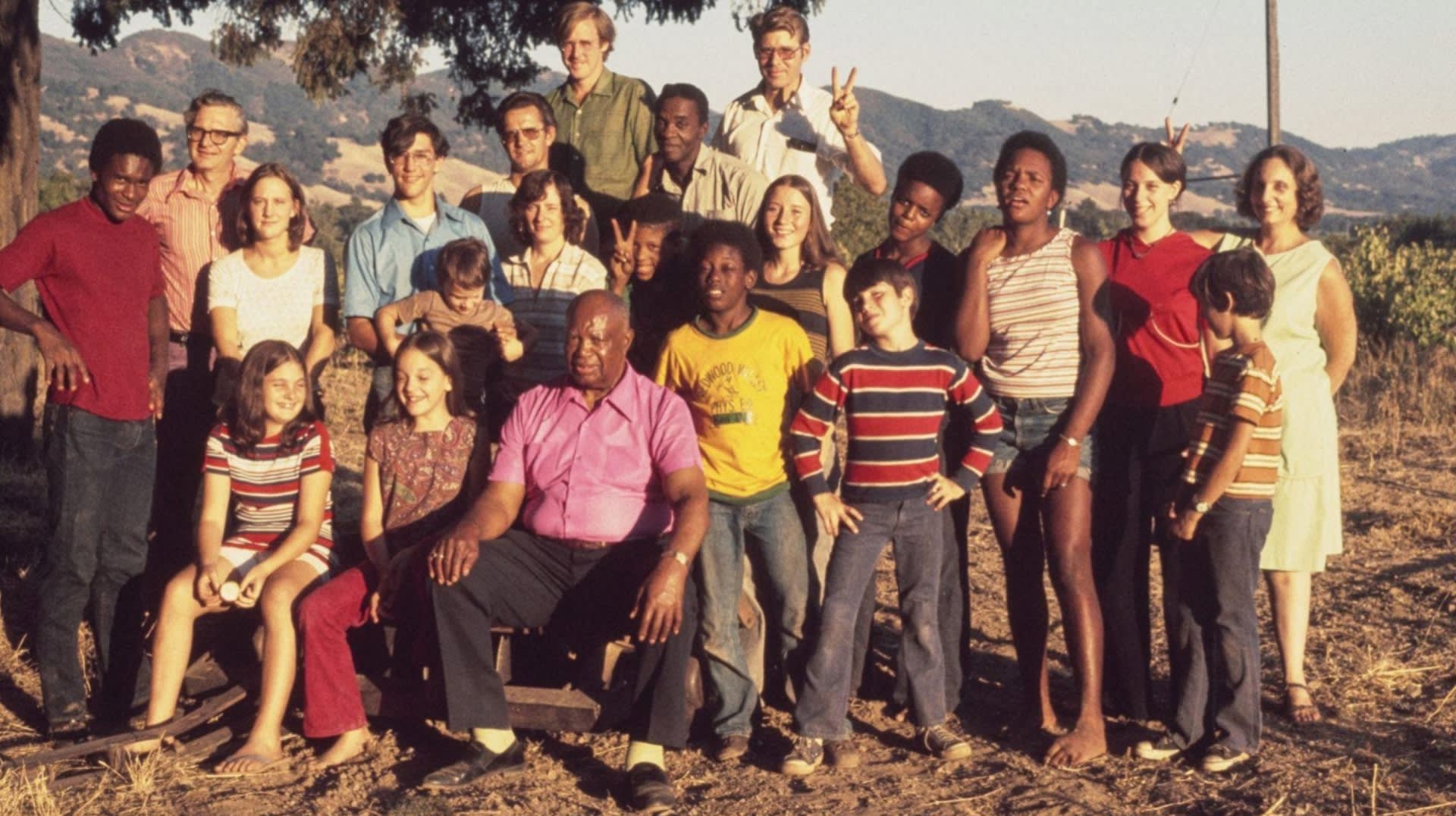
California is where things started going south. Ex temple members came forward with testimonies of physical, sexual and verbal abuse at the hands of Jones during their time at the Temple. Moreover, a group of undercover journalists attended a “healing” session in late 1971 and demanded physical proof of “cancer tissue” that Jones supposedly removed. Due to an increase in the number of testimonies against Jones, the Planning Commission begun planning a long-term relocation of the congregation to Guyana. By December 1974, first Temple members reached Guyana. However, the final number of Temple members in Guyana was significantly lower than those in Indiana or California - a sign of slow, but sure downfall.
Jones became increasingly more paranoid and anxious in Guyana. Temple members were overworked and underfed, having to perform manual labor day and night to provide for themselves and their families. With more of his close allies departing and less political support than ever before, Jones started organising “White Nights” - a drill intended to prepare the Temple members for a “revolutionary suicide” in case they were to be attacked by outside forces. Jones believed that “individual suicide is wasteful, but mass suicide that sent a message of defiance, and that encouraged future generations to fight oppression to the death, was admirable” (Guinn 404). Therefore, when Congressman Leo Ryan came to Jonestown on November 15, 1978, to investigate the human-rights violation claims made by ex members, Jones and his people were ready to do whatever it took to escape an “inhumane world.”
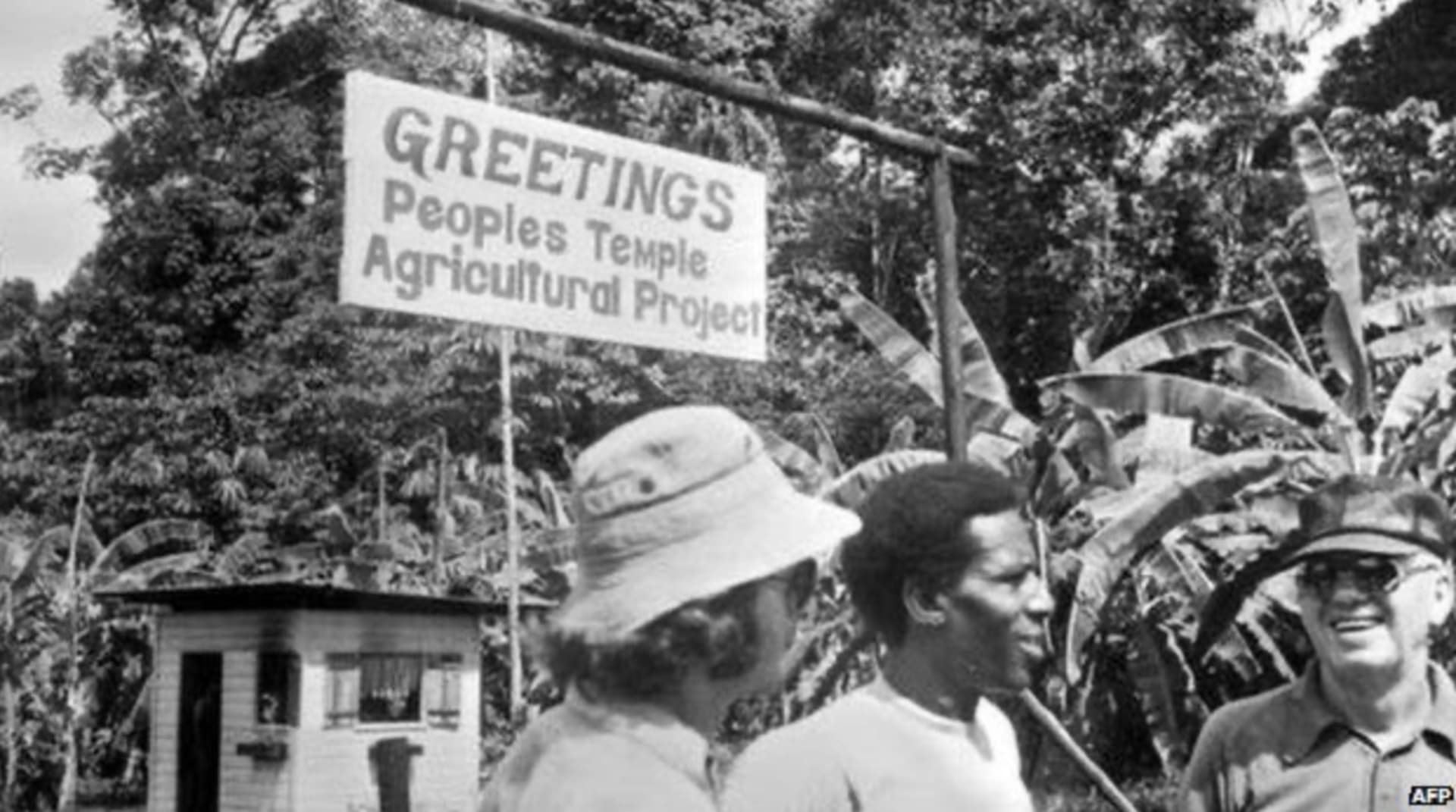
Upon Ryan’s visit, everyone put on a brave face and demonstrated that Jonestown is a perfect place to be, successfully fooling the Congressman. However, 15 Temple members boarded the plane with Ryan to fly back to the U.S. when one of Jones’ closest allies and a supposed defector, Larry Layton, begun firing. Five people were killed at the Port Kaituma airstrip, including Congressman Ryan, while the survivors hid wherever they could to escape Layton.
Upon hearing of the shooting, Jones knew the time has come for his final act of defiance. Jones’ most loyal followers immediately begun mixing the grape Flavor Aid with cyanide. The children were poisoned first, by their own mothers and fathers who were promised death to be “a friend” they shouldn't fear. In total, 918 people either willingly chose to commit suicide or were coerced into taking the poisoned Flavor Aid. Until September 11, 2001, the Jonestown massacre was the greatest single loss of American civilian life.
The shock that ensued following the massacre still permeates people’s reactions when they learn about it today. The enormous loss of life that occurred in Jonestown is hard to grasp, but it shows what “charismatic” tyrants are capable of. Having been among those that couldn’t understand how someone could blindly trust another person, especially when it’s a question of life and death, I came to realise that this is a much more complicated matter than it might seem at first.
Many of the members were genuine believers, trying to find a community of likeminded people and a person who will be their spiritual leader, which is precisely how Peoples Temple presented itself at first glance. Once you were in, it was incredibly difficult to get out, whether because Jones threatened you with your life or because he took your passport when you landed in Guyana. I have no good words for Jim Jones, and in my very humble opinion, he didn’t deserve a better ending. However, those that saw salvation in Jones and Peoples Temple did. As is often the case, what is remembered after a tragedy like this aren’t the names of the victims, but of the perpetrators. Jim Jones became part of the history books. No one else who died in Jonestown did, at least not by name.


