
As a historian fascinated by anything relating to the September 11th attacks, I have spent the last five years reading and educating myself on the events of one of America’s bloodiest days. After having written a number of essays on 9/11 conspiracy theories and the indisputable fascination people have with this event, I though I knew just about everything there is to know about the deadliest terrorist attack on U.S. soil. Turns out, I was wrong. The story of Able Danger and the claims of their members could easily be categorised as yet another conspiracy theory about an event so riddled with conspiracies that it’s not even worth mentioning. However, there’s something undeniably captivating about it that calls for me to look deeper into it. And that’s exactly what we’re doing today.
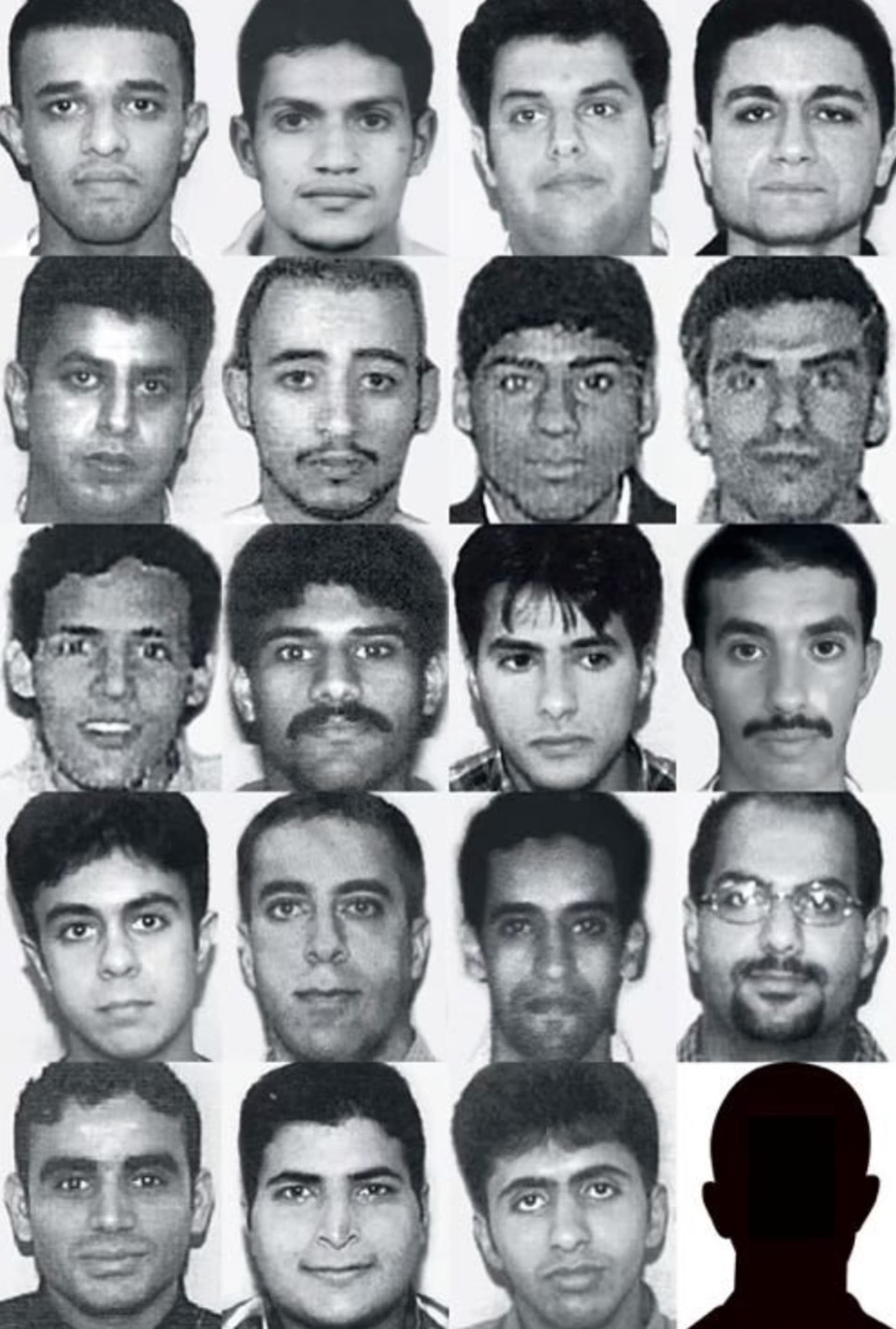
Established by the U.S. Special Operations Command (SOCOM) and the Defense Intelligence Agency (DIA) in October 1999, Able Danger was a military data-mining program intended to identify potential al-Qaeda cells within the United States and thwart the spread of international terrorism on U.S. soil. The reason for the program’s infamy is that numerous members claimed the group successfully identified the 9/11 ringleader Mohamed Atta and three other terrorists involved in the 9/11 attacks.[1]
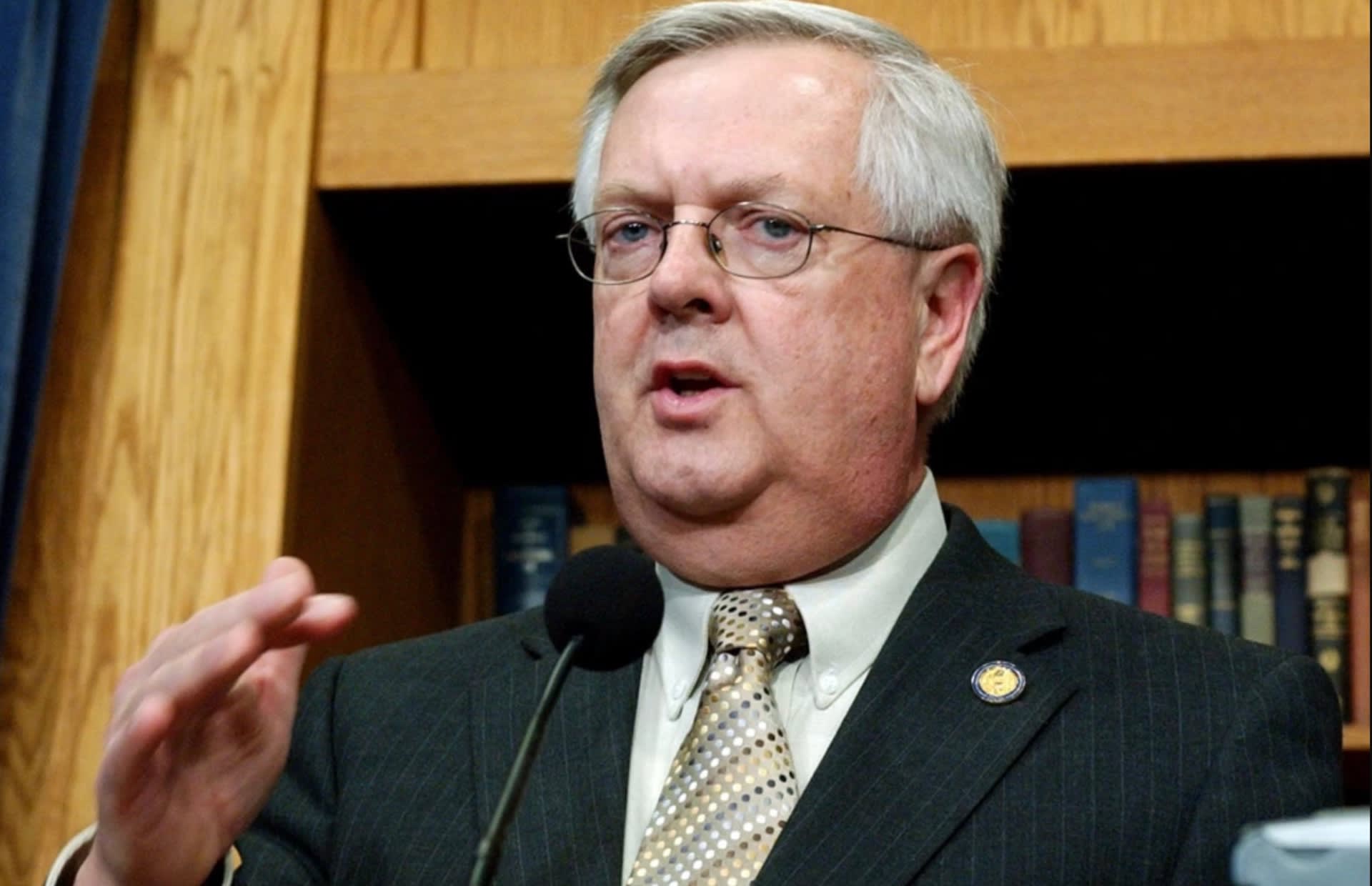
These claims, however, only came after the attacks took place and have changed significantly in the last twenty-four years. In his 2005 book Countdown to Terror: The Top-Secret Information that Could Prevent the Next Terrorist Attack on America—and How the CIA Has Ignored It, Curt Weldon, a Republican Congressman from Pennsylvania’s 7th district between 1987 and 2007, claims Able Danger identified Atta, the 9/11 ringleader and pilot of AA11, Marwan al-Shehhi, pilot-hijacker of UA175, Khalid al-Mihdhar and Nawaf al-Hazmi, muscle hijackers aboard AA77.

According to Weldon, Lt. Col. Anthony Shaffer, James D. Smith and Major Erik Kleinsmith, Able Danger had produced a “chart” already in late 1999 that included the names of the above mentioned 9/11 terrorists, as well as the names of other suspects connected to the “Brooklyn cell”, led by the “Blind Sheikh” Omar Abdel-Rahman. When questioned why the group didn’t share its supposed findings before the attacks, Weldon and his associates, backed by U.S. attorney Andrew McCarthy, claimed that the “Able Danger intelligence was suppressed as a result of a policy of forbidding the CIA and FBI to share intelligence known as ‘the wall’.”[2]
“The wall” is now considered as one of the main reasons why intelligence agencies weren’t able to foresee or prevent the September 11th attacks. Due to poor communication between the FBI, responsible primarily for law enforcement, and the CIA, tasked with military and espionage tasks, the two agencies maintained a cold and adversarial relationship which limited effective counterterrorism coordination, ultimately leading to 9/11.
According to then-Attorney General John Ashcroft who testified during the 9/11 Commission hearings, “the wall” was further reinforced during the Clinton Administration to “prohibit sharing of terrorist intelligence within the federal government.”[3] This ongoing animosity between the two agencies prevented them from sharing vital counterterrorism information with each other, but the insistence of previous Able Danger members that this was the exact reason for holding back information that likely would’ve prevented 9/11 has been a source of intense scrutiny for the past twenty years.
The wider public had only become aware of Able Danger in mid-June 2005, after Keith Phucas, a reporter for The Times Herald, a Norristown, PA, daily newspaper, had written an article on the program and its goals. Widespread dissatisfaction with the program’s lack of “crucial information sharing” soon started emerging, and Weldon, then-vice chairman of House Armed Services and House Homeland Security committees, gave a special orders speech on the House floor regarding Able Danger. In Weldon’s words, “the lawyers in the [Clinton] administration at that time said, you cannot pursue contact with the FBI against that cell. Mohamed Atta is in the U.S. on a green card, and we are fearful of the fallout from the Waco incident. So we did not allow that Federal agency to proceed.”[4]
The problem with the Able Danger members’ rhetoric is that their statements changed more than once in the past two decades. Weldon is a notorious example of this; less than two months following Phucas’ article, Weldon already started claiming that he was unsure if Atta was ever identified, declaring how the only copy of the chart was given to Stephen Hadley, the Deputy National Security Advisor under George W. Bush between 2001 and 2005.[5]
Lt. Col. Shaffer asserted that, following the identification of 9/11 terrorists, he had his suspicions about Atta already during his Able Danger days, describing him as a “scary looking guy.”[6] Shaffer’s credibility became questionable with time, particularly so when it became public knowledge that Shaffer was placed on paid administrative leave in mid-2004 due to “a pattern of misconduct including obtaining a service medal under false pretences, improperly flashing military identification while drunk, theft, and falsely claiming reimbursement for mileage and personal mobile phone charges” while stationed in Afghanistan.[7]
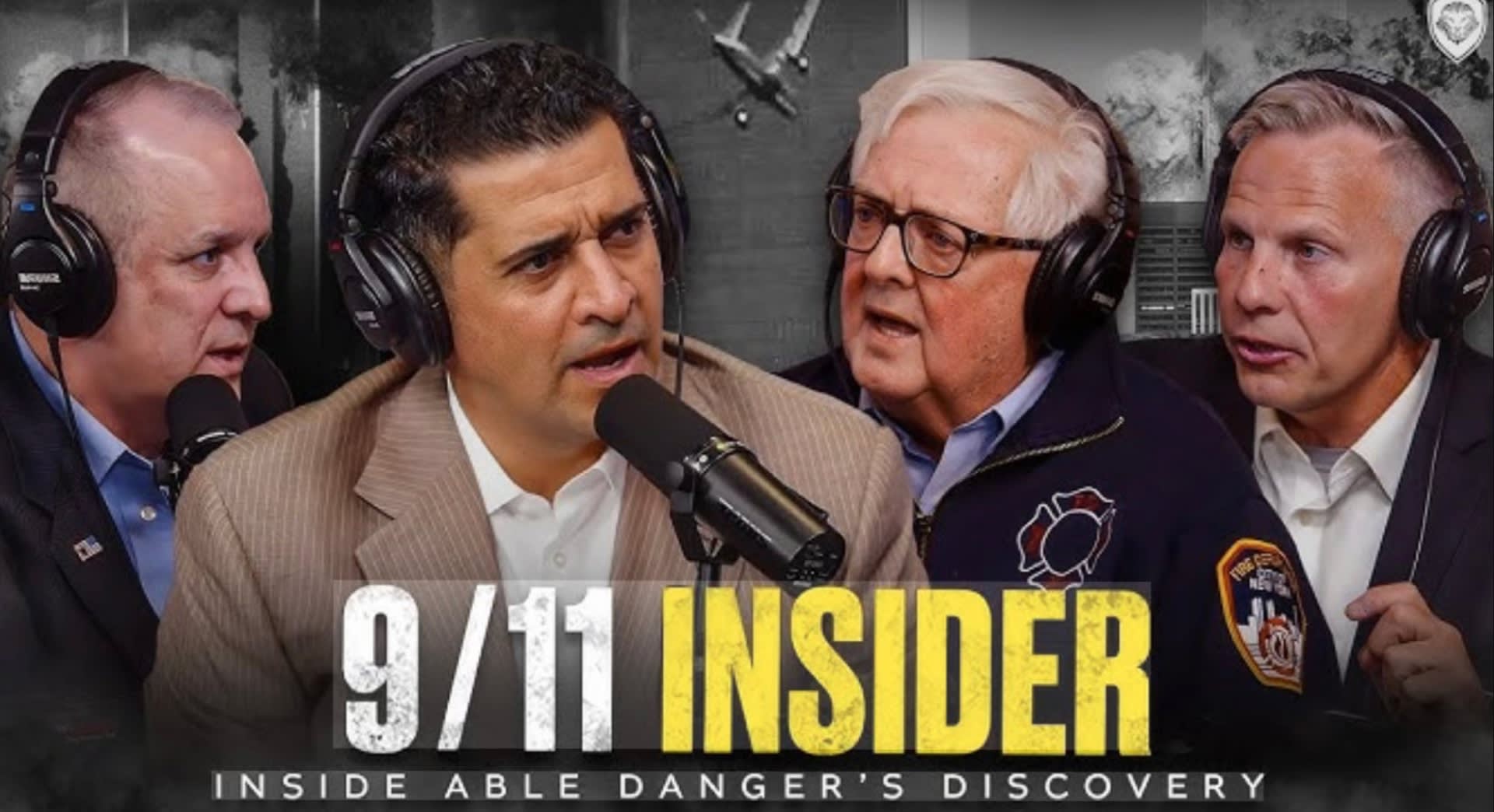
Among many Able Danger members who claimed they were encouraged and even forced to delete information about their work and findings is also Major Erik Kleinsmith. According to Kleinsmith himself, between May and June 2000, he deleted over 2.5 terabytes of data on orders of Tony Gentry, general counsel of the Army Intelligence and Security Command.[8]
Despite all these claims, the sixteen-month investigation led by the Senate Intelligence Committee concluded Able Danger did not identify Atta or any other 9/11 terrorist. In fact, it’s widely believed that the group identified “the other Atta”, AKA Abu Nidal Atta, the alleged militant from the Palestine Liberation Organization, responsible for bombing a bus in 1986, on the West Bank. Furthermore, there was virtually no information on Mohamed Atta prior to May 2000, when he received his U.S. visa, meaning the supposed information sharing regarding Atta between Able Danger and the FBI in late 1999 and early 2000 was highly unlikely.
It’s safe to say that the existence of Able Danger and their supposed findings had contributed a lot to the overall proliferation and perpetuation of 9/11 conspiracy theories. If you want to listen to an angry and excessively loud Curt Weldon talk about how “9/11 is a scam” or how the “9/11 Commission was a fraud”, there’s plenty of that on YouTube. If you’re more interested in factual information, I’d recommend the 9/11 Commission Report or Lawrence Wright’s The Looming Tower: Al-Qaeda’s Road to 9/11.
Yes, there’s probably some truth to what Weldon and his former associates claim, but I’m far more bothered by how they do it. Weldon’s obnoxious screaming gets old really fast, and Shaffer’s ability to speak and say nothing is genuinely impressive. Altogether, Able Danger is a fascinating part of contemporary American history, riddled with heavy claims that will, likely, never be proven. People’s personal beliefs are none of my business, but I find it important to remind ourselves that just because someone is loud and confident, it doesn’t mean they speak the truth. Until next time, folks!


