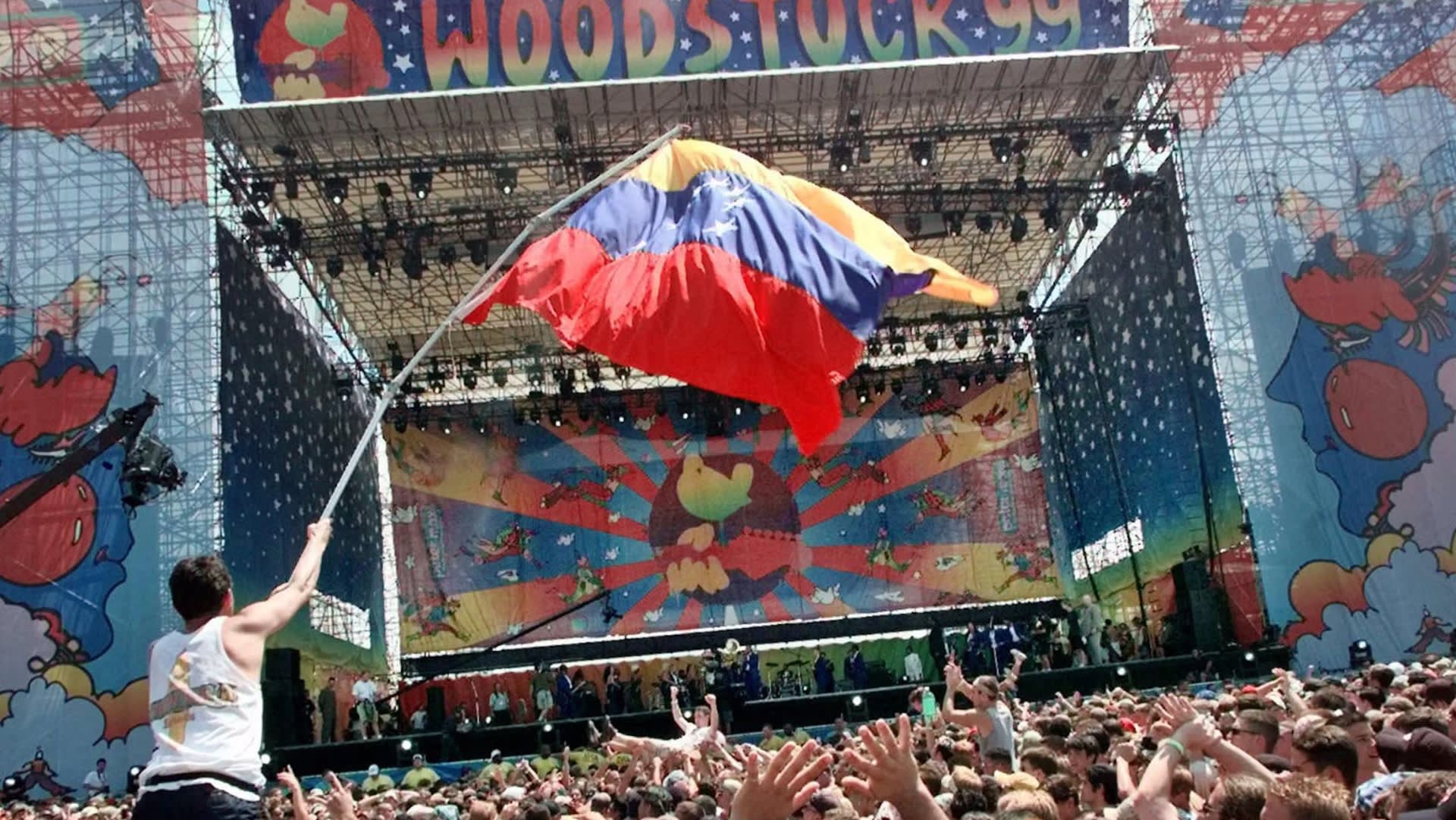

There’s an utter fascination I seem to have with anything relating to the 1990s, the “last great decade”, as many dub them. As someone born in late 2000, the both historical and human urge to know what it was like to live in the heyday of pop culture, the early days of the internet and a time without the utter smartphone dependence most of us suffer from nowadays, the 1990s seem like a fever dream I so desperately wish to be a part of. For many, the 1990s didn’t end with the year 2000, but with 9/11, and the post-Cold War optimism and relative peace of the last decade of the 20th century is something many have tried to recreate in recent years.
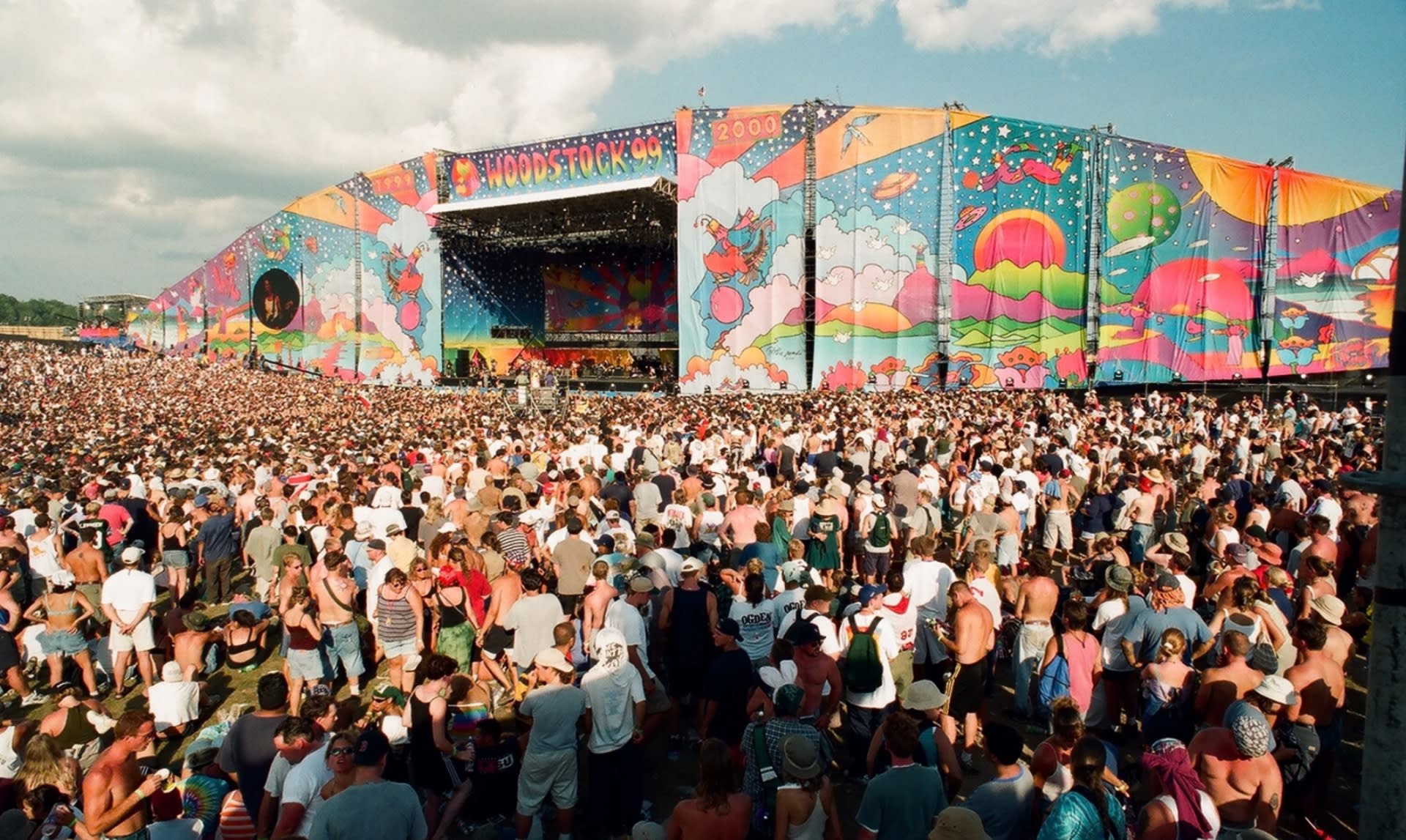
The third edition of the famous Woodstock festival attempted to emulate the buoyancy and hope that the 1969 edition successfully established, all while incorporating the musical and pop culture of the 1990s. Michael Lang, one of the organisers of the original festival and its 1994 revival, and John Scher, a New Jersey concert promoter, promised music and peace to all the attendees of the 1999 edition. What transpired, however, was an absolute catastrophe that made history for all the wrong reasons.
The success and undeniable impact that Woodstock ‘69 left on the music and festival industry inspired Rolling Stone magazine to list it as number nineteen of the 50 moments that changed the history of rock and roll.[1] Although the tenth and twentieth anniversaries of the iconic festival were memorialised by festivals that bore the Woodstock name, it wasn’t until the twenty-fifth anniversary in 1994 that Michael Lang decided to officially revive the Woodstock brand.
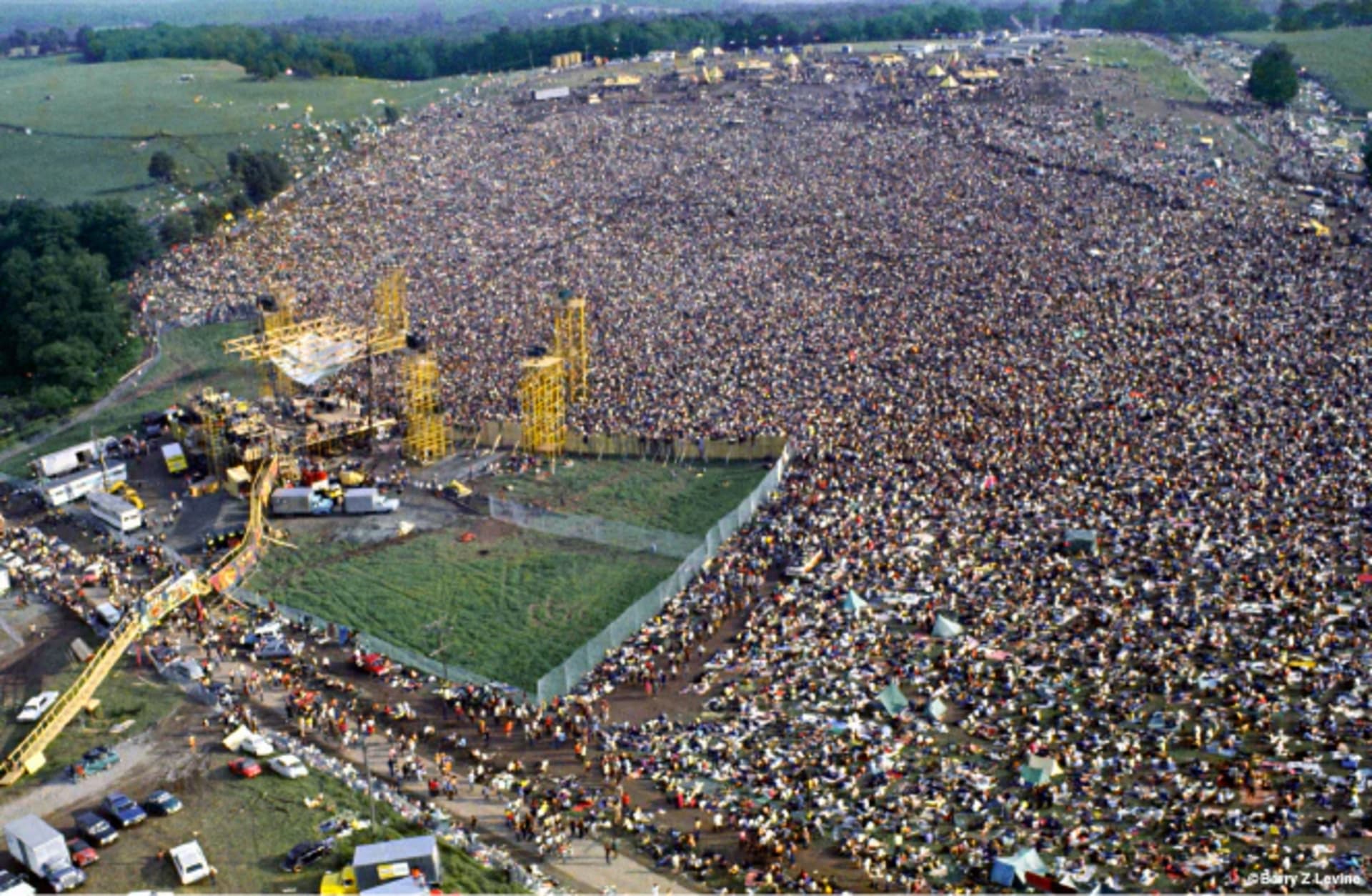
The 1994 edition, later branded “Mudstock” because attendees threw mud at each other and performers, was remembered as problematic on account of issues with gatecrashers that breached fences, significant financial losses and unfavourable media coverage. So, when Lang and Scher began planning the 1999 edition, local authorities were worried about a potential recurrence of the problems that plagued the festival’s second edition.
The decommissioned Griffiss Air Force Base in Rome, NY, was chosen as the facility that would host the festival. To ensure the event turned a profit, Lang and Scher amassed a number of commercial sponsors and included vendors who paid $500 (close to $1000 today) to sell on-site during the three-day festival. Advance tickets were sold at $150 for all three days ($290 today), and those bought at the gate cost $180 ($350 today).[2] Although close to 187,000 tickets were sold altogether, over 400,000 people actually attended the festival. In addition, MTV earned up to $30 million thanks to their pay-per-view television coverage of the festival.[3]
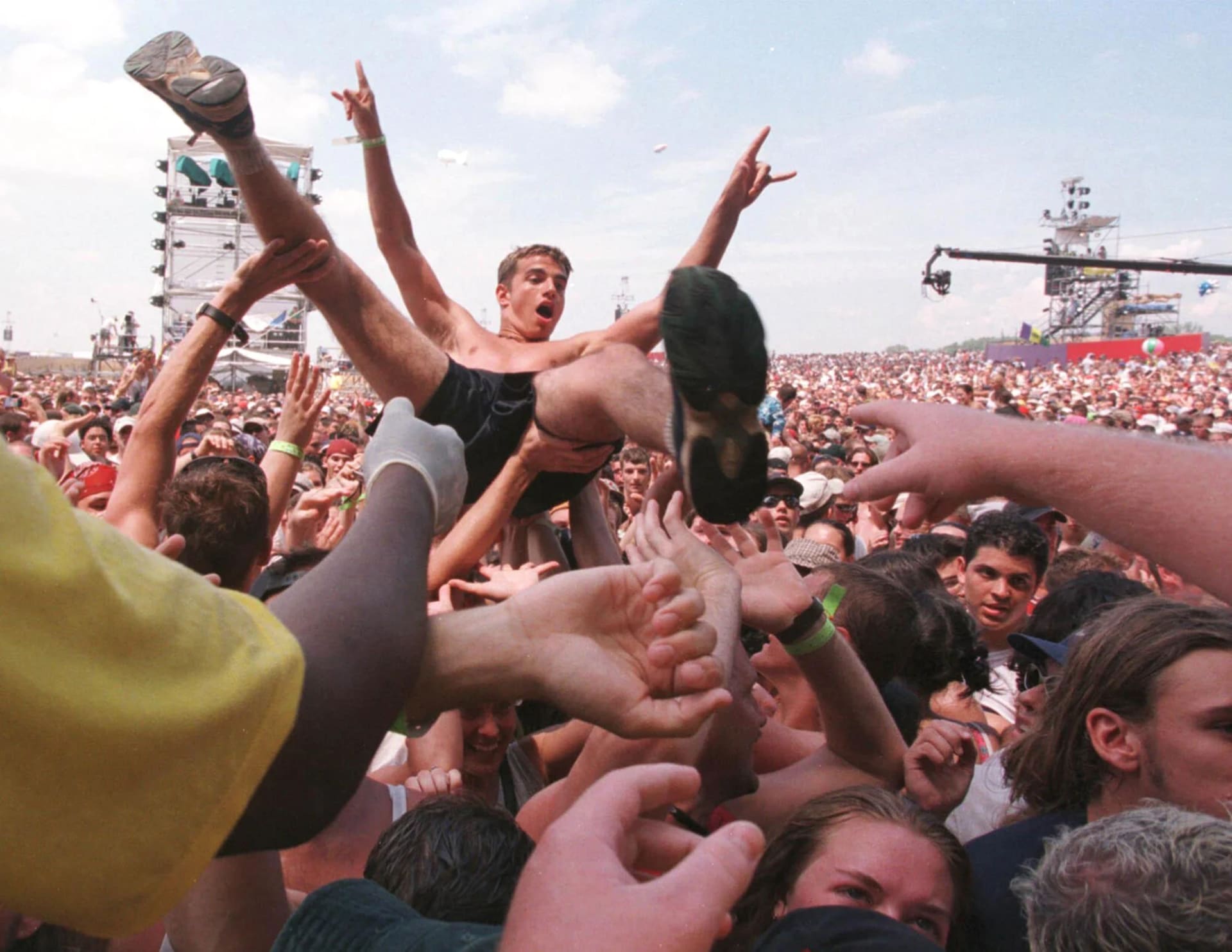
The festival lineup was dominated by leading rock and metal bands of the late 1990s, like Korn, Limp Bizkit, Kid Rock, Offspring, Rage Against the Machine, Red Hot Chilly Peppers, Metallica and others. The atmosphere was electric from the get-go, but issues started surfacing fast. Due to high temperatures that exceeded thirty-eight degree Celsius during the day, very little shade and high temperatures even at night, many attendees suffered from sunstroke. To make matters worse, the East and West stages were 3.7 km apart, forcing festivalgoers to walk in extreme heat from one end of the venue to the other.[4]
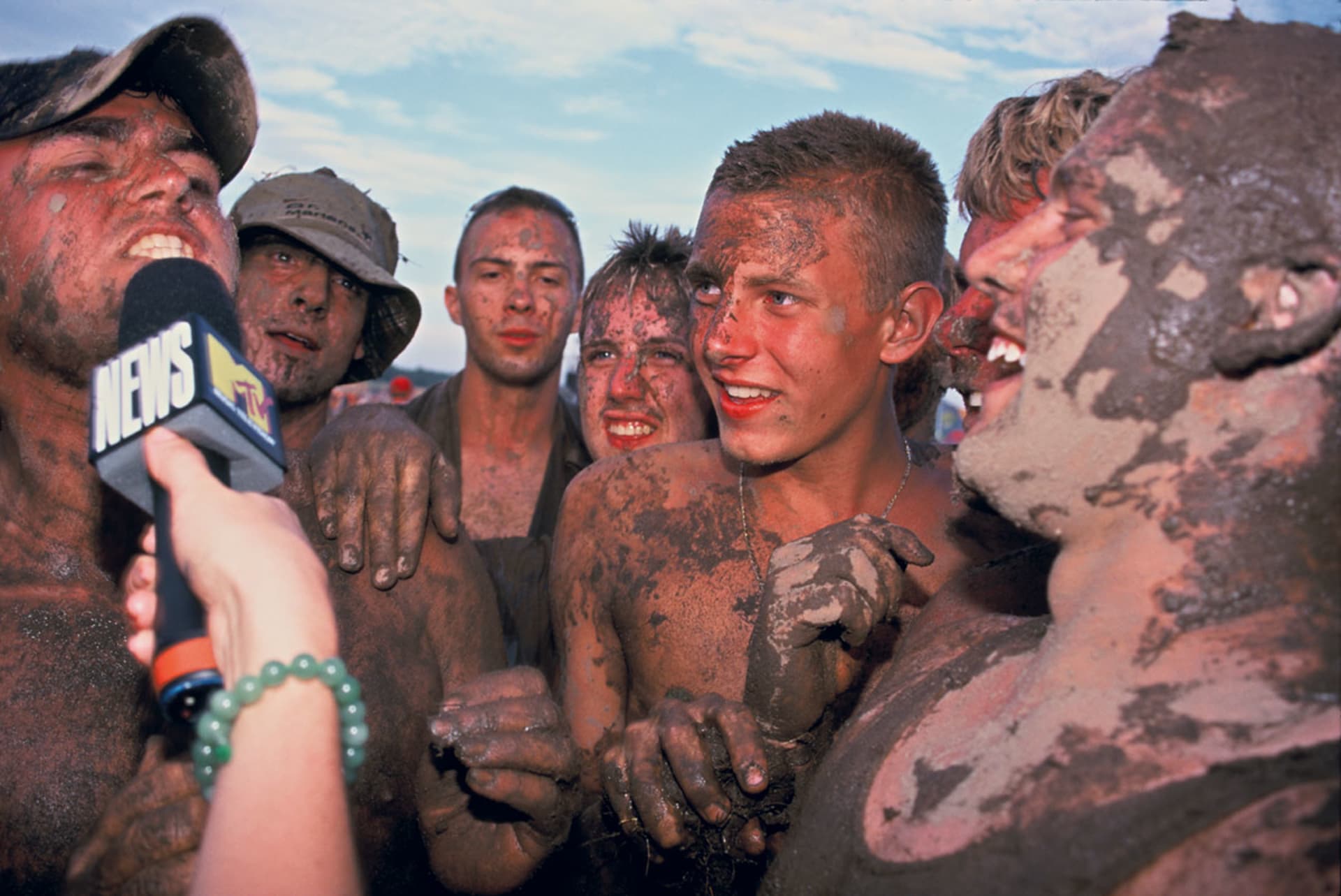
Another pressing issue was sanitation. Because there were more attendees than available toilets, the venue soon started overflowing with fecal matter and urine, mixing with mud and infesting camp sites. To cool off, many festivalgoers started jumping into these mud pits, unaware of the contents they were rolling in, with many developing trench mouth or trench foot. Adding insult to injury, excrement from the broken toilets mixed with water from the broken pipes caused the free drinking water to be contaminated with E. coli.[5]
The overall lack of conventional security officers also contributed to the increasing mayhem. In order to cut costs, Lang and Scher hired Peace Patrol guards - mainly young adults from a local job agency. Lacking experience in law enforcement and security, Peace Patrol mostly played a symbolic role without offering substantial contributions to ensuring safety and control. A number of attendees sneaked in past "security” and even managed to smuggle drugs inside the venue.[6]
The biggest issue, by far, was the increasing sexual harassment and violence. The ‘90s were still heavily riddled with misogyny; the prime example being when the crowd demanded of actress Rosie Perez and singer Sheryl Crow to “show their tits”.[7] A number of women were groped while crowdsurfing, causing singer Dexter Holland of the Offspring to call out those harassing women in the crowd. At least five women were assaulted, the youngest an eighteen-year-old who was simply supposed to have the time of her life at Woodstock. According to numerous witnesses, a gang rape took place during Korn’s performance.[8]
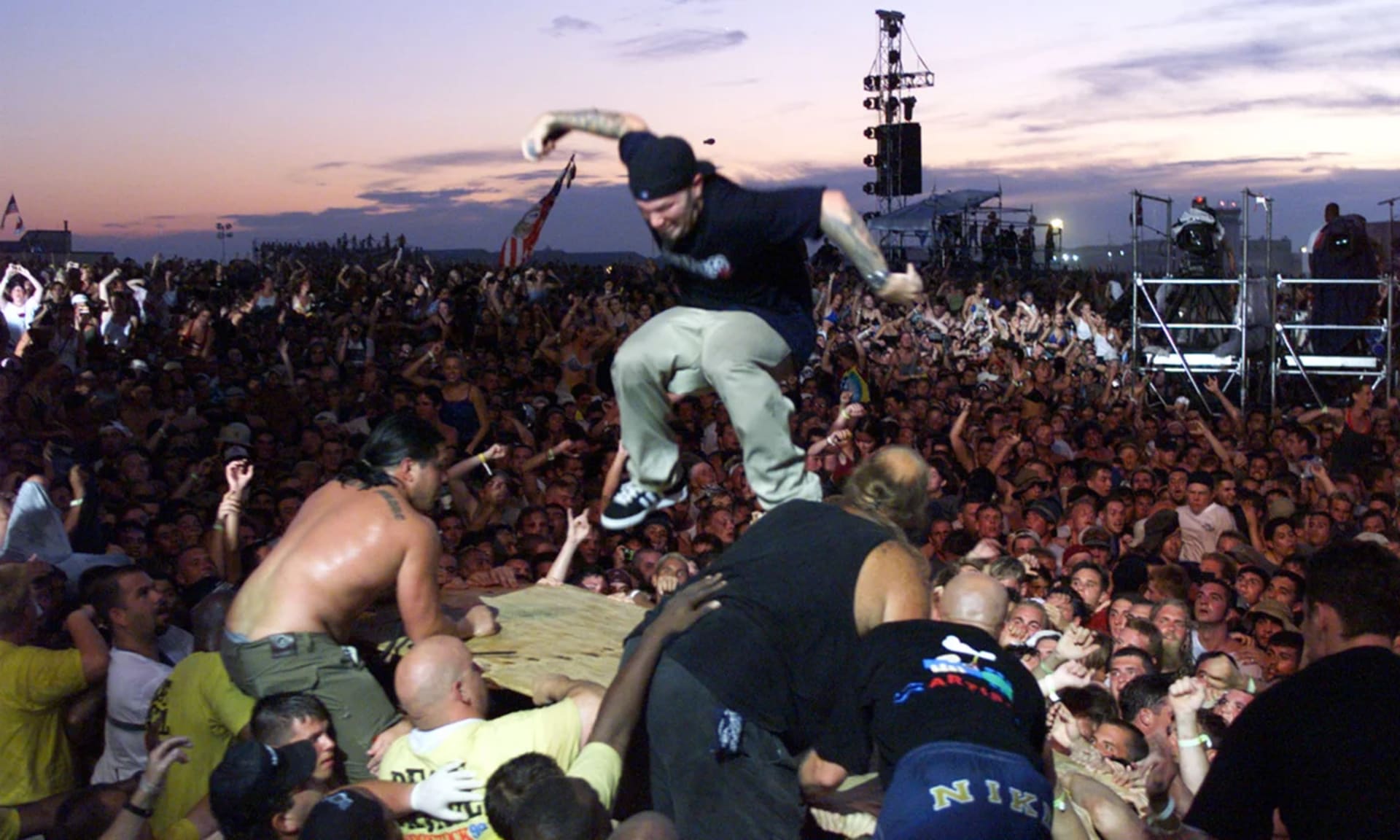
The difficult conditions got worse when vendors started running out of food and beverages, resulting in a sudden increase in price of food. The heat, lack of food and running water inspired attendees to turn to violence. Although there were numerous examples of people brawling in the crowd, after Limp Bizkit came on stage on the second day, all bets were off. During the performance of “Break Stuff”, frontman Fred Durst encouraged the crowd to “take all the negative energy out”, resulting in people destroying smaller buildings and facilities next to the main stage.[9]
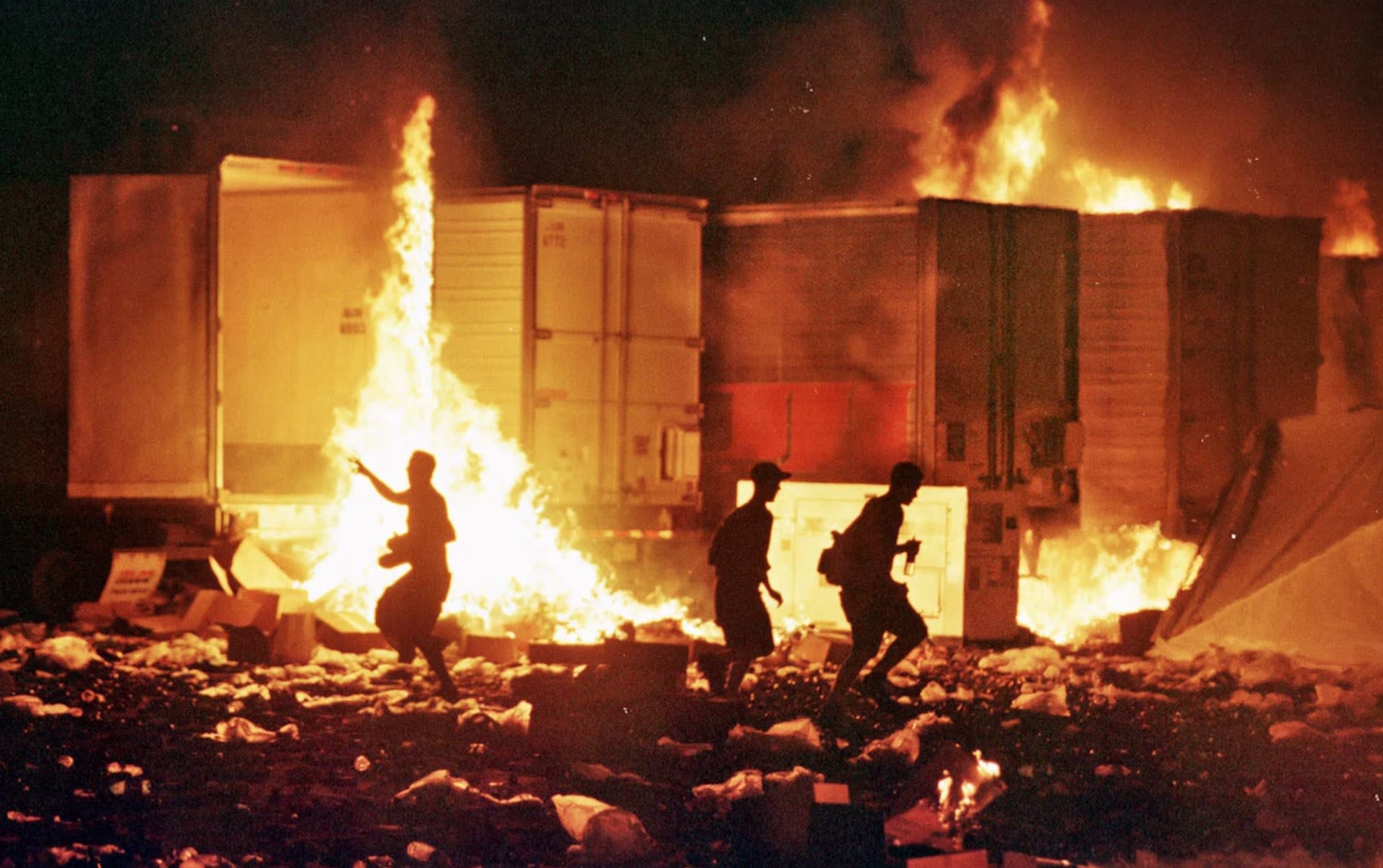
By Sunday, the last day of the festival, things were out of control. Festivalgoers began setting fires, looting vendor booths and robbing ATMs. Riots were taking over the venues and the state police had to intervene. Vandals toppled light stands and speakers, and even set fire to a dozen park tractor trailers. It is estimated that between forty-two and forty-four people were arrested.
Unfortunately, three people died. Scott L. Stanley, a forty-four-year-old man died on the first day due to heat exhaustion. A day later, David DeRosia, a twenty-four-year-old died of hyperthermia. Finally, Tara K. Weaver, a twenty-eight-year-old was killed by a speeding car as she was leaving the festival.[10]
The grim legacy of Woodstock ‘99 has destroyed the ideals set by the original edition. In hopes of bringing people together and ensuring a whole new generation of people would forever remember Woodstock, Lang and Scher ultimately failed at all but the last point because those in attendance, and even those that weren’t there, still remember Woodstock ‘99, but not for the right reasons.
In trying to profit as much as possible, and spend as little as possible, Lang and Scher jeopardised the lives of all those attending. With at least five cases of sexual assault and three deaths, arson and overarching violence throughout the festival, Woodstock ‘99 remains among the most disastrous and chaotic festivals of the modern age. With Michael Lang now gone, it’s likely that the sixtieth anniversary of the original festival won’t turn into Woodstock 2029. There’s only hope that if another Woodstock is ever organised, those in charge will know better than to repeat the mistakes of Woodstock’s most infamous edition.