A very good friend of mine who I met during my BA degree specialised in the history of Native Americans and is a literal walking encyclopaedia of knowledge on the subject. So, when she told me she was writing her MA degree on the history of the Oglala Lakota (sometimes also Oglala Sioux), I wanted to look more into a topic I genuinely knew very little about. The first time I read about the 1973 Wounded Knee Occupation, I thought it reminded me quite a bit of the 1993 Waco siege. Unlike Waco, which is still being kept relevant by numerous documentaries and which happened only thirty-three years ago, Wounded Knee is almost completely forgotten. Now only a footnote in contemporary U.S. history, the Wounded Knee Occupation is among the most significant acts of Native American resistance in the past one hundred years and should be remembered as such.
Before we get into the occupation itself, we need to go back to 1956 when the U.S. government introduced the Indian Relocation Act intended to inspire American Indians to leave Indian reservations and move away from their ancestral lands, integrate them into urban society, and weaken their community and tribal connections. Considered to be part of the Indian termination policy from the 1940s and 1950s which stripped the tribal status of various groups and decreased help to tribal citizens, the 1956 act ultimately forced many American Indians to completely change their way of life by moving to large cities in search for jobs, resulting in an increase of poverty among the community, a weakened political influence of Natives, social isolation in urban areas and homelessness for many.[1]
The American Indian Movement (AIM), founded in 1968 in Minneapolis, MN, was largely established due to the 1956 act. Initially focused on solving issues brought on by the Indian Relocation Act, AIM soon began expanding their scope, aiming to also deal with problems caused by settler colonialism in the U.S., such as treaty rights, unemployment and the preservation of indigenous culture.[2] During the 1973 occupation, AIM played a central role by organising the seizure of Wounded Knee and securing wide media coverage of the event.

Throughout the 1960s, the situation at Pine Ridge Reservation, home to the Oglala Lakota, was progressively worsening. As one of the biggest and poorest Native American reservations in the U.S., life was difficult and tensions were increasing. So, when Richard Wilson, an autocratic and corrupt man, was elected tribal chairman in 1972, things started going south extremely fast. Wilson’s family and friends found work easily, while the rest of the population struggled immensely. Because of Wilson’s mixed race, many believed he worked closely with the Bureau of Indian Affairs (BIA), a U.S. federal agency tasked with implementing federal laws regarding Native Americans and Alaska Natives. According to many residents of Pine Ridge, BIA and Wilson intentionally excluded full-blood Oglala members from various jobs and positions within the community.[3]
Due to Wilson selling grazing rights to local white ranchers at a very low price, the income from it was significantly lower than it should have been, further worsening the relationship between Wilson and his opponents. Another pressing issue was the violence against Lakota men who went to nearby towns to visit bars since alcohol was prohibited on the reservation. A month before the occupation, a twenty-year-old was killed in a bar in Buffalo Gap, SD, due to his race. This resulted in AIM coming to Pine Ridge and leading about two hundred supporters on February 6 to a courthouse in Custer, SD, where civil right issues and manslaughter charges for the murder were supposed to be discussed.[4]

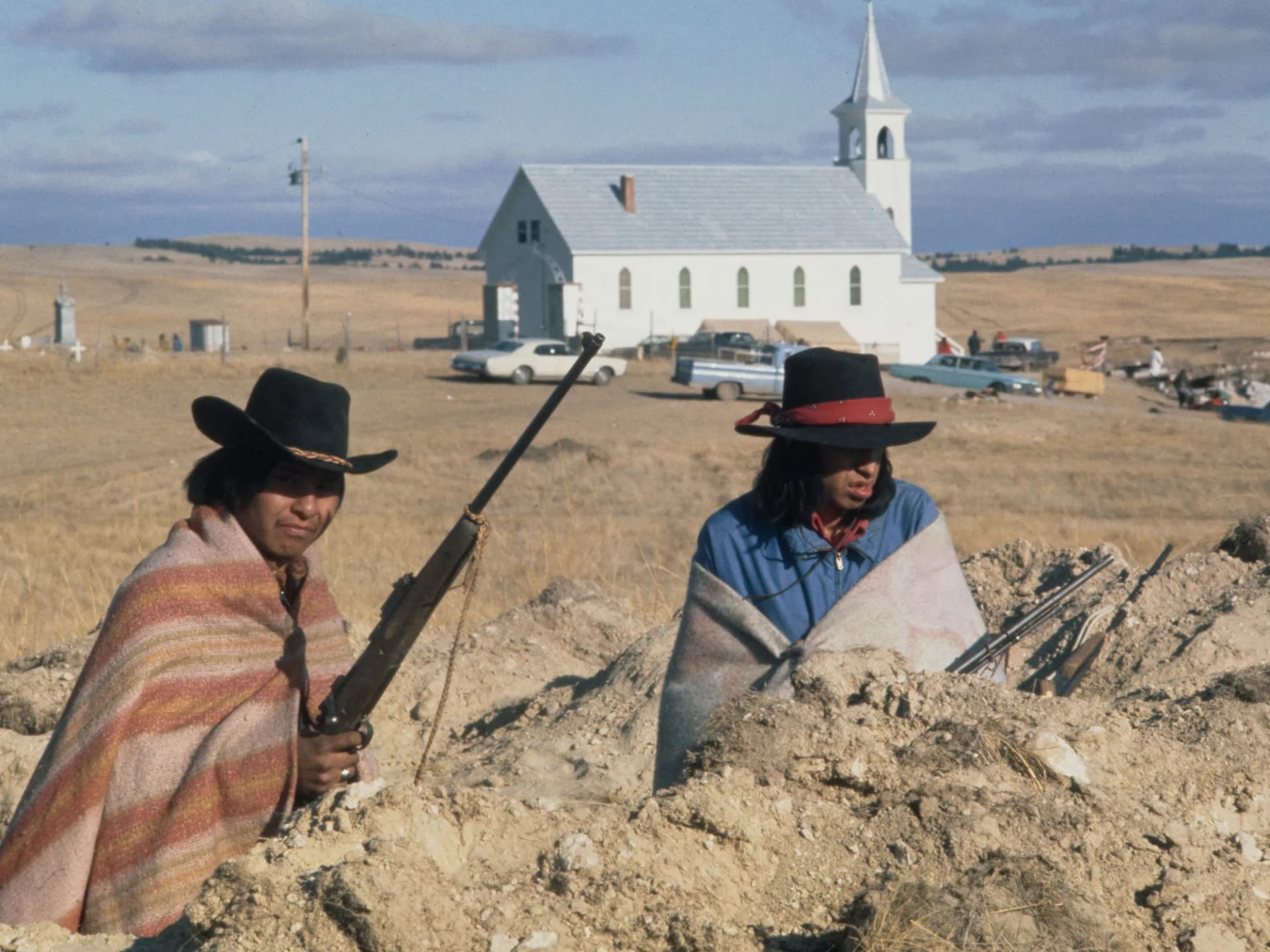
When Wilson wasn’t impeached following an effort of the Oglala Sioux Civil Rights Organisation (OSCRO) , there was no going back. On February 27, 1973, two hundred armed AIM members took over the town at gunpoint, looted the museum and took eleven prisoners, demanding Wilson to be removed from office and requesting a revival of treaty talks with the U.S. government. The media was closely reporting on all events in Wounded Knee, with Dennis Banks and Russell Means, Oglala activists, addressing the nation regularly.[5]
The following day, law enforcement and FBI agents came to Wounded Knee armed and ready to deal with the growing crisis. According to historians Record and Hocker, law enforcement and military forces were “armed with automatic weapons, snipers, helicopters, (…), and more than 130,000 rounds of ammunition.”[6] For the first ten days of the occupation, the federal government set up roadblocks around the community. On March 8, the leaders proclaimed Wounded Knee as the territory of an independent Oglala Nation and began granting citizenship to anyone who wanted it.[7]
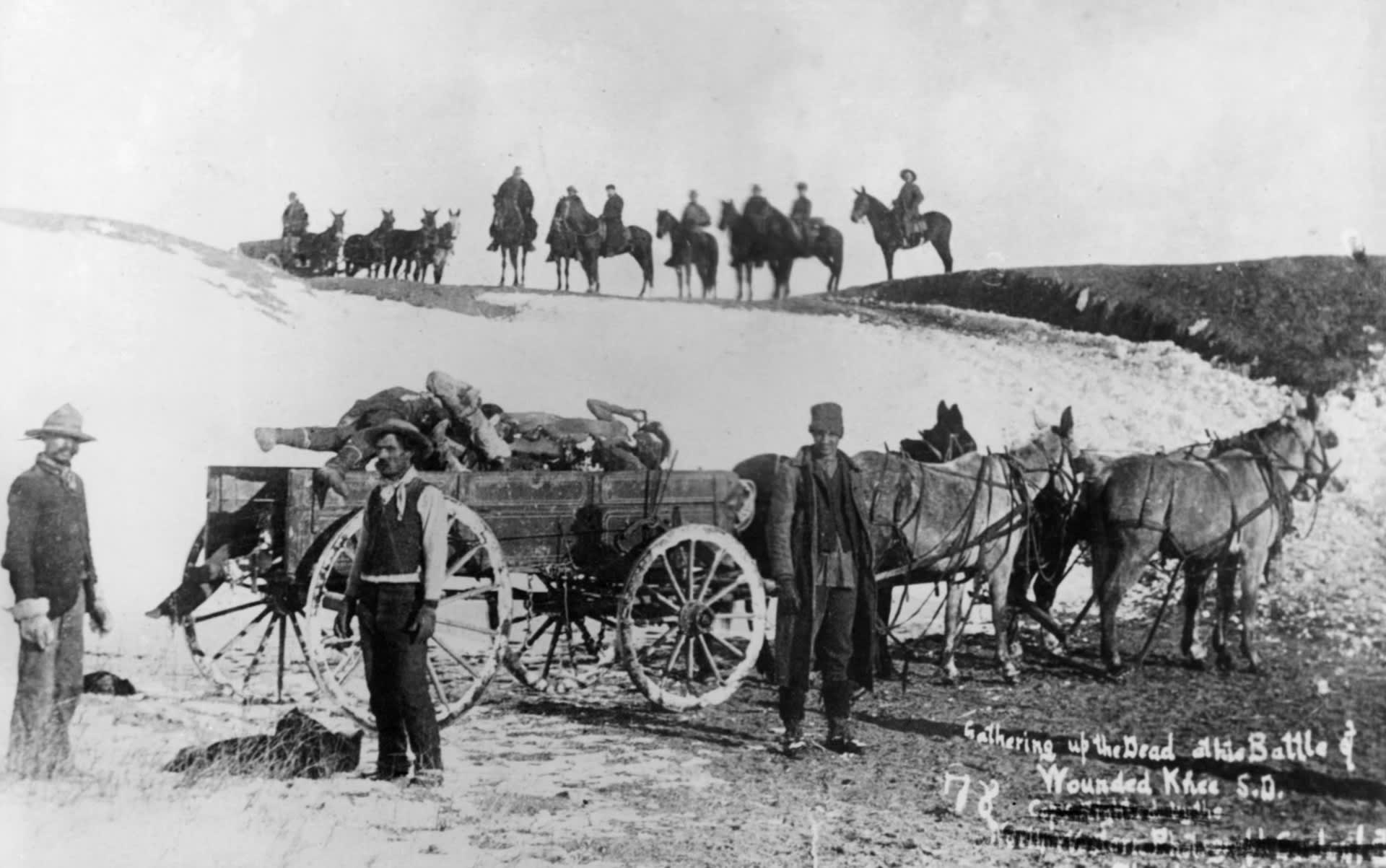
The 1973 occupation is also known as the “Second Wounded Knee” because a confrontation between the U.S. army and Oglala Lakota members already happened in 1890, when three hundred Lakota people were killed by soldiers. So, when things started going south in early 1973, the town of Wounded Knee was chosen symbolically. Ultimately, those who fought in 1890 and 1973 were both aiming to achieve the same goals: reduce federal control, encourage fair treaties and fight poverty.
After the first thirty days, the government began cutting off water, electricity and provisions, and had prohibited the media from entering Wounded Knee. At this stage, the town was under siege. According to both AIM and federal documents, the opposing sides regularly exchanged gunfire for much of the three months.[8] Three Lakota men were killed in the process: Frank Clearwater, Lawrence “Buddy” Lamont and Ray Robinson. Lamont’s death was when tribal leaders decided it was time to end the occupation to avoid further bloodshed.
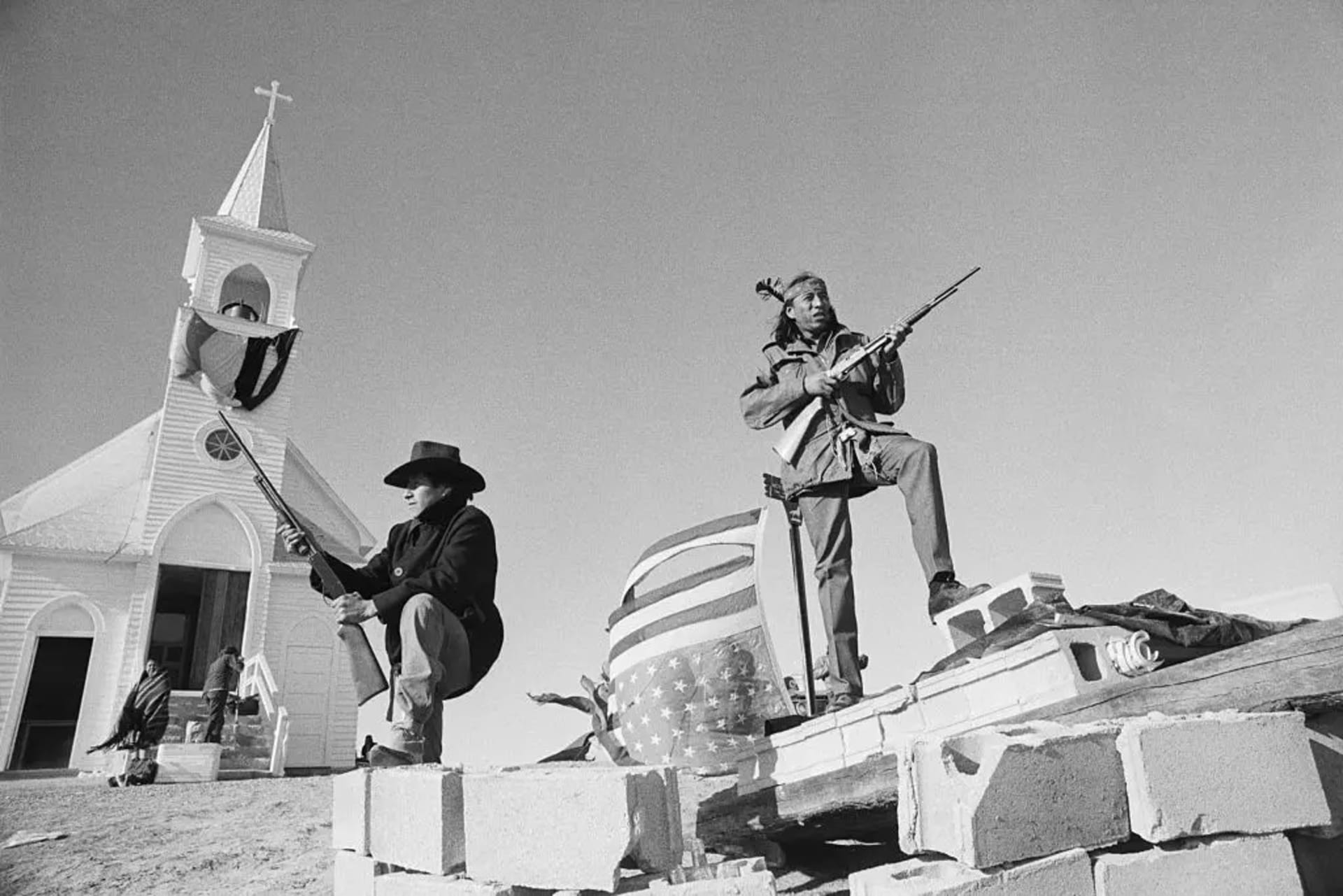
Although there were no immediate reforms following the end of the occupation, the event had a lasting political and symbolic impact for Native Americans. The occupation had helped strengthen Native activism, with more indigenous communities becoming politically active and focused on treaty rights. The immense media coverage of the event rendered it nationally relevant and recognised, with a shift in public awareness like never before. Furthermore, the occupation reinforced an emphasis on indigenous identity and culture, and even a revival of the “Ghost Dance”, a ceremonial practice that promised renewal, protection, and the restoration of Native lands and way of life.[9]
Oglala Lakota members required the U.S. government to review the 1868 Treaty of Fort Laramie which guaranteed the Sioux ownership of the Black Hills and other lands, and promised autonomy on reservations; something the U.S. government blatantly disrespected. In fact, when the occupation began, AIM and Oglala Lakota members cited the treaty as justification for the occupation, claiming the U.S. government failed to honour its legal obligations. Ultimately, the treaty was not reestablished.[10]
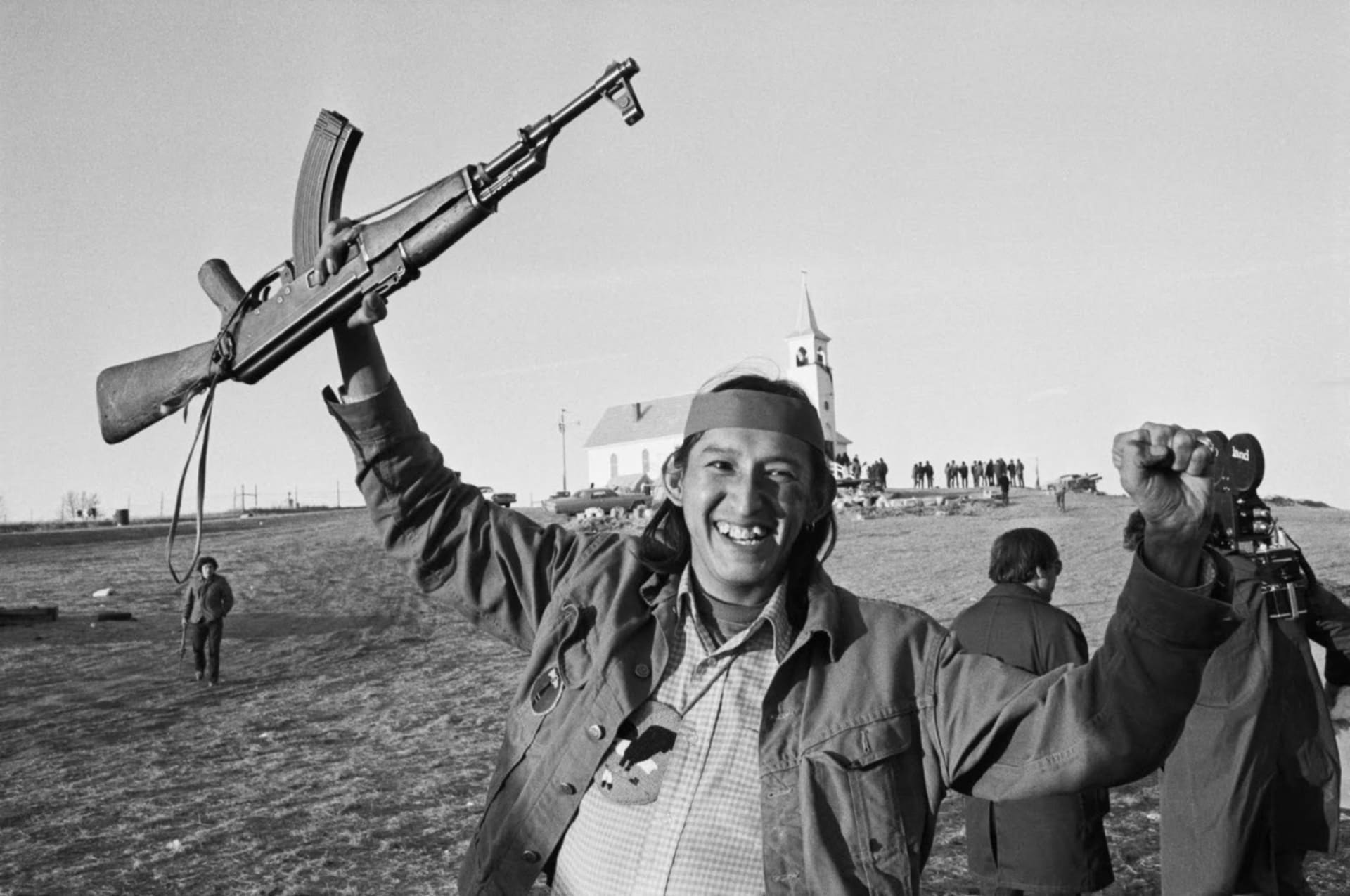
One of the most significant events in recent Native American history is, nowadays, mostly forgotten. Why? Native American history has been largely marginalised and underrepresented in U.S. education and media, mainly because it’s tied to a minority group that’s still being mistreated and sidelined. Although it left an indelible trace on the indigenous community, unlike the Civil Rights Movement, Wounded Knee didn’t bring immediate legislative changes that completely changed the way a minority lived.
With all that being said, Wounded Knee remains yet another example of how the U.S. government continues to violate laws put in place to protect the rights of minorities. Even though the event brought national media coverage, Native Americans are still isolated and misunderstood, facing economic, social and political struggles. The 2016 Standing Rock protests reignited the interest in indigenous rights, but they didn’t do much policy-wise. It kind of seems like we’re running in circles here and I struggle to imagine us ever not doing so. We might, but most likely, we won’t.


